
CO2 Laser Benefits for Skin Rejuvenation
Last updated on October 23, 2026
Dr Queenie Chan | Last reviewed October 2026
Skin can show the effects of sun exposure and ageing in several ways. Its surface may become uneven, marks from earlier inflammation can remain visible, and lines may become more firmly set. CO2 laser resurfacing offers a way to address selected changes by working at and below the skin’s surface.
The benefits of CO2 laser technology come from controlled resurfacing and the repair that follows. Treatment can be adjusted to the area and concern, while some changes continue to develop as the skin heals. Understanding what this process can achieve helps set realistic expectations before treatment.
How Does CO2 Laser Work?
A CO2 laser emits light at a wavelength of 10,600 nm, which is strongly absorbed by water within the skin. The energy rapidly heats selected cells to remove microscopic columns of tissue through a process called ablation. Tissue surrounding each column is heated without being removed, which can cause collagen contraction and initiate a repair and remodelling response.
Fractional CO2 treatment creates these columns while leaving areas of skin between them untreated, allowing healing to progress from the surrounding tissue. The settings control the depth, width and density of the columns. More intensive treatment may create a stronger skin response, but it can also involve a longer recovery and greater risk of side effects.
What Happens as Your Skin Heals After CO2 Laser Treatment?
The changes that follow CO2 laser treatment develop through overlapping stages of wound healing. The timing varies with the treatment settings, area treated and individual response, but the process may include:
- Inflammation during the first 48 hours: The controlled injury activates an inflammatory response as immune cells clear damaged tissue and release signals involved in repair. This contributes to the redness, warmth and swelling that may develop after treatment.
- Resurfacing during days 2 to 7: New skin cells move across the treated columns from the surrounding skin. Small fragments of treated tissue may reach the surface, causing a bronzed, rough or flaky appearance before they shed.
- Rebuilding during weeks 1 to 6: Fibroblasts become more active and produce collagen and elastin within the treated areas. The skin may continue to change after the visible surface has healed.
- Remodelling from months 1 to 6 and beyond: Newly produced collagen is gradually reorganised. This is why changes in texture, lines and scars may continue to develop over several months.
What Are the Potential Benefits of CO2 Laser Treatment?
CO2 laser can affect both the treated surface and how skin remodels during recovery. That gives it a role in several areas of skin rejuvenation, although the degree of improvement depends on the concern, treatment settings and individual response.
Smoother Skin Texture
Rough or uneven skin can catch the light differently, making the surface appear coarse. CO2 resurfacing may help refine texture as the treated skin renews. This can be useful for more established surface changes, although roughness caused by active irritation or a weakened skin barrier may need to be managed before laser treatment is considered.
Softer-Looking Fine Lines and Wrinkles
Fine lines may become more noticeable as the skin loses some of its elasticity and develops changes at the surface. CO2 laser can help soften the appearance of selected lines through resurfacing and subsequent remodelling. Deeper folds caused largely by changes in facial volume or underlying support are less likely to respond in the same way.
Improvement in the Appearance of Some Scars
Certain surgical and acne scars leave the skin with an uneven structure. Fractional CO2 laser may encourage remodelling within a suitable scar and improve how it looks or feels. The scar’s type, depth and age influence the result; treatment aims to improve its appearance, not erase it.
More Even-Looking Sun-Damaged Skin
Long-term sun exposure can leave the surface looking rough or irregular. Resurfacing may improve selected visible changes as the treated skin renews. A dark spot should still be assessed before treatment, since pigmentation has different causes and a concerning lesion may need investigation rather than laser.
Gradual Collagen Remodelling and Firmer-Looking Skin
The repair response after CO2 laser can stimulate collagen remodelling over time. For some people, this may contribute to a firmer-looking surface, along with improved skin quality. The change is gradual, and resurfacing alone is unlikely to address significant loose skin.
Treatment That Can Be Adjusted to Different Areas and Concerns
CO2 laser settings can be selected according to the treatment area and the depth of the change being addressed. This allows a targeted approach to a specific area or treatment across a broader surface. More intensive settings are not automatically preferable, as they also affect the skin’s response and the recovery required.
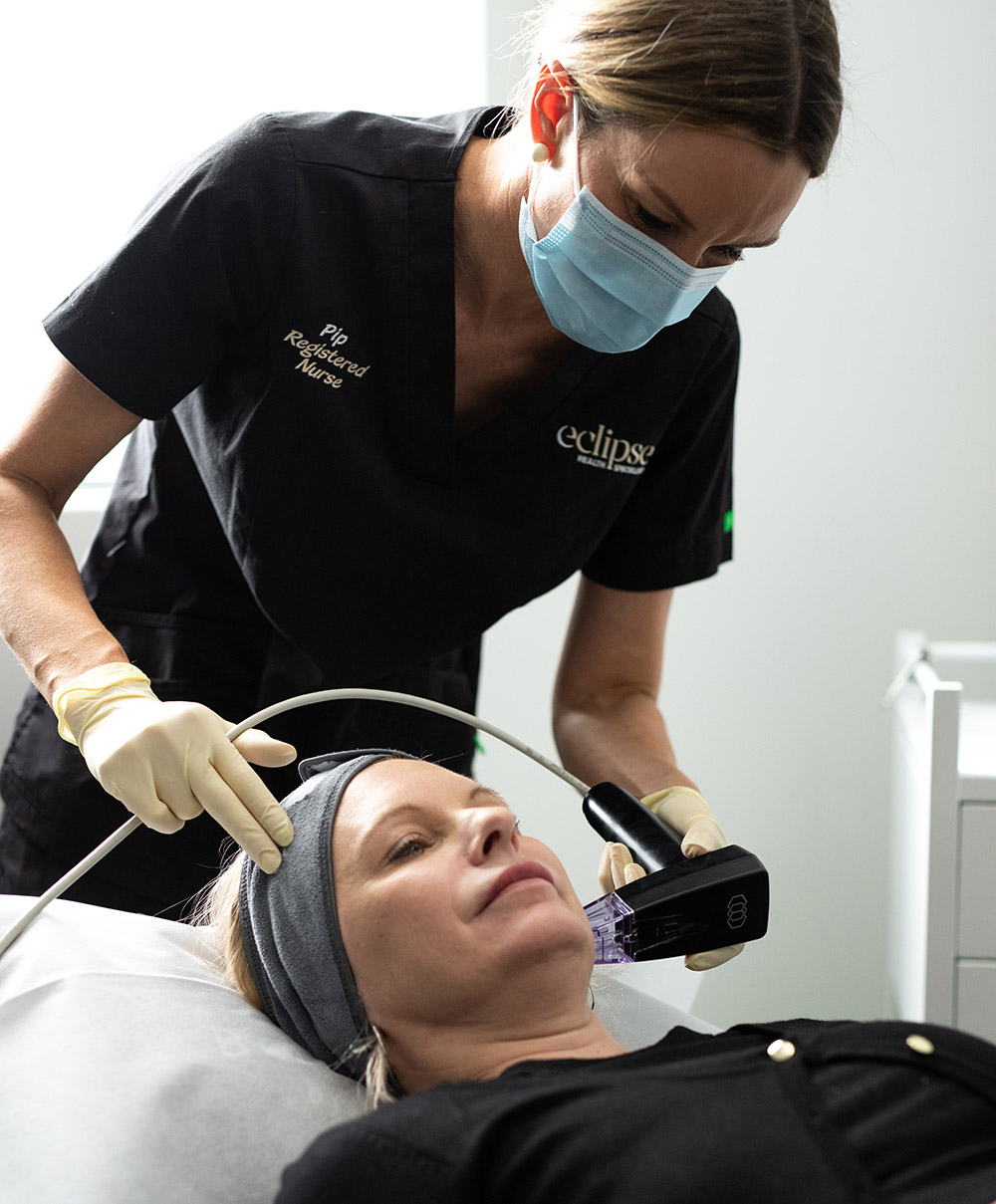
A consultation at Dr Queenie Chan’s clinic considers the skin changes you want to address, your skin’s condition and whether CO2 laser is suitable.
When Do CO2 Laser Benefits Become Visible?
Surface changes may become clearer once the skin has completed its initial healing. Improvements linked to collagen remodelling can take longer to develop, so results may not be apparent immediately after treatment. Redness during recovery may also obscure an early change.
How long an improvement remains visible depends on what was treated and on ongoing influences such as ageing and sun exposure. Some treatment goals may be addressed in one session, while others call for a planned course. The expected timing should be discussed in relation to the individual skin concern.
Is There an Alternative to CO2 Laser?
Dr Queenie Chan’s clinic also offers UltraClear, an ablative fibre laser that operates at a wavelength of 2,910 nm. This wavelength is strongly absorbed by water, allowing precise ablation with less heat spreading into the surrounding tissue. The treatment depth and intensity can be adjusted, providing options ranging from gentler resurfacing to more intensive treatment.
Reduced thermal spread may lower, but does not eliminate, the risk of post-inflammatory pigmentation and may allow a shorter recovery with selected settings. CO2 laser may still be considered for deeper scarring or more established lines, while UltraClear provides an alternative for selected concerns and skin types. During your consultation, we assess your skin, treatment goals and available recovery time before discussing which option may be suitable.
Why CO2 Laser Is Used for Skin Rejuvenation
CO2 laser combines resurfacing with a longer process of skin repair. The treated surface may look smoother as it heals, while collagen remodelling can bring further improvement over the following months. Its strength is the ability to adjust treatment depth and intensity to the area being treated, giving us a precise way to address changes in skin quality that extend beyond the surface.
Book Your CO2 Laser Consultation
If you would like to know whether CO2 laser treatment is appropriate for your skin, contact Dr Queenie Chan’s clinic to arrange a consultation. We can assess the area, explain what improvement may be realistic and discuss the treatment and recovery involved. Call 02 6059 0612 or book online via our website.
FAQs About CO2 Laser Benefits
What does CO2 laser do to the skin?
CO2 laser delivers controlled energy that resurfaces treated skin and starts a repair response. Depending on the settings and concern, this may improve the skin’s surface and encourage collagen remodelling.
Can CO2 laser improve acne scars?
It may improve certain acne scars, particularly those involving an uneven or depressed surface. Scar type and depth matter, so an assessment is needed before discussing what treatment might achieve.
Does CO2 laser help with deep wrinkles?
CO2 laser may soften some established lines where changes in the skin itself contribute to their appearance. It is less likely to address a deep fold caused mainly by changes in facial volume or support.
Is CO2 laser suitable for every skin type?
No single setting or treatment approach suits every skin type. Pigmentation risk, skin condition, medical history and the concern being treated all need consideration before proceeding.
How many CO2 laser treatments are needed?
The number of sessions depends on the treatment goal, the intensity selected and how the skin responds. A consultation allows us to discuss whether one procedure or a course of treatment is more appropriate.
How long does CO2 laser take to heal?
Healing depends on the depth and area of treatment. Redness, swelling, dryness or peeling may occur, and we will explain the expected recovery for the procedure recommended to you.
When can I wash my face after CO2 laser?
Follow the aftercare instructions given for your treatment rather than a general timetable online. When and how to cleanse will depend on the settings used and how the treated skin is healing.
Does CO2 laser have any side effects?
Redness, swelling and sensitivity can occur during recovery, and some people may experience pigment changes or a longer healing period. We will discuss the risks relevant to your skin and proposed treatment before you decide whether to proceed.

About The Author
Dr. Queenie Chan
Dr. Chan brings over a decade of extensive training and experience in Plastic Surgery, including prestigious fellowships in facial reanimation and breast reconstruction. Committed to serving her community, she has worked in disadvantaged regions across the Philippines and Cambodia, bringing essential healthcare to those in need. Now residing in rural Victoria, she continues her dedication to both her patients and personal pursuits, embodying a holistic approach to life and care.
Recent Posts

October 22, 2026
September 16, 2026
August 21, 2026
Acne Scars Explained: Different Types and What They Look Like


June 22, 2026
 Online Marketing For Doctors