
Dehydrated skin treatment focuses on improving the way the skin holds and manages water. When the skin is dehydrated, it may feel tight, look dull, show fine surface lines, or become more reactive to products that were previously well tolerated.
This can be frustrating because dehydrated skin does not always look obviously dry. Some people still experience oiliness, congestion or shine, while also feeling tight or uncomfortable beneath the surface. Understanding why this happens is the first step towards supporting the skin barrier, improving comfort and choosing care that suits the skin’s current condition.
What is Dehydrated Skin?
Dehydrated skin is skin that lacks water. Dry skin, by comparison, is usually linked to a lack of oil or lipids. The two can overlap, but they are not the same issue, and this is why a moisturiser alone may not always resolve the feeling of tightness or discomfort.
The skin barrier plays an important role in preventing water loss. When that barrier is disrupted, water can escape more easily, leaving the skin feeling tight, rough, sensitive or less settled. Dehydrated skin can affect dry, oily, combination or sensitive skin types, so treatment should be guided by how the skin is functioning rather than how oily or dry it appears at first glance.

What’s the Difference Between
Dehydrated and Dry Skin?
Dehydrated skin is usually about water loss, while dry skin is usually about oil deficiency. Dehydrated skin may feel tight, dull or reactive, and it can happen temporarily after harsh products, weather changes, over-exfoliation or barrier disruption. Dry skin is more often a longer-term skin type that may feel rough, flaky or lacking in natural oils.
Some people experience both at the same time. For example, the skin may be naturally dry but also dehydrated because the barrier is impaired. Others may have oily skin that still feels tight after cleansing or active skincare. Understanding this difference helps avoid the wrong approach, such as using stronger exfoliants on skin that actually needs barrier support.
Signs of Dehydrated Skin
Dehydrated skin can show up in several ways, and the signs are not always dramatic. Some people notice visible changes, while others mainly notice changes in comfort or product tolerance.
Signs of dehydrated skin may include:
- Tightness after cleansing
- Dull or tired-looking skin
- Fine surface lines
- Rough or uneven texture
- Flaking or mild peeling
- Stinging or increased product sensitivity
- Oiliness with an underlying feeling of tightness
- Makeup sitting unevenly on the skin
What Causes Dehydrated Skin?
Dehydrated skin often develops when the skin is losing water faster than it can retain it. This can happen for several reasons, and more than one factor may be involved.
Common causes of dehydrated skin include:
- Over-cleansing or using products that leave the skin feeling stripped.
- Frequent exfoliation with scrubs, acids or strong active ingredients.
- Using retinoids or active skincare too quickly for the skin’s tolerance.
- Cold weather, wind, heating, air conditioning or low humidity.
- Sun exposure and UV-related barrier stress.
- Skincare routines that do not provide enough barrier support.
- Skin sensitivity, irritation or inflammation.
- Changes in sleep, stress, diet, water intake or general health.
Struggling with Dehydrated Skin?
Book a consultation with a member of Dr Queenie’s treatment team to discuss your concerns.
How To Support Dehydrated Skin
Supporting dehydrated skin often begins with reducing irritation and helping the skin barrier function more effectively. In some cases, this may be more important than adding more active products or starting in-clinic treatment straight away.
Simple ways to support dehydrated skin include:
- Use a gentle cleanser that does not leave the skin feeling tight.
- Reduce strong exfoliants if the skin feels sensitive, dry or reactive.
- Using active skin care which contains hyaluronic acid, glycerin and vitamin B5 will aid in actively binding moisture and drawing it into the skin.
- Always combine the above with moisturising products with ceramides that seal in the skincare ingredient while supporting the skin barrier.
- Apply daily broad-spectrum sunscreen to reduce UV-related stress.
- Introduce active ingredients slowly and gradually, especially retinoids and exfoliating acids.
- Avoid changing multiple skincare products at once.
- Seek professional advice if tightness, flaking, stinging or dullness persists.
Dehydrated Skin Treatment Options
Treatment for dehydrated skin should be based on the condition of the skin barrier, the level of sensitivity and the concerns that appear alongside dehydration. For some people, the right approach may begin with skincare changes and barrier support. For others, selected in-clinic treatment may be considered once the skin is suitable.
Chemical Peel Treatment
A carefully selected chemical peel may be considered when dehydrated skin is associated with dullness, rough texture, congestion or a build-up of surface skin cells. The aim is not simply to add moisture to the skin, but to support controlled surface renewal where appropriate, with peel type and strength chosen carefully according to skin type, tolerance and barrier condition.
Skin Rejuvenation Treatments
Skin rejuvenation treatments may be discussed when dehydrated skin appears alongside broader concerns such as dullness, uneven texture or reduced skin quality. The approach depends on assessment, as some skin may need calming, routine simplification and barrier support before more active treatment is introduced.
Dehydrated Skin Treatment At Dr Queenie Chan’s Clinic
The treatment process begins by understanding what is contributing to the dehydration. This may include reviewing the skin’s texture, sensitivity, hydration, barrier function and current skincare routine, as well as any recent treatments or product changes.
Consultation
During consultation, we assess how the skin looks and feels, including signs of tightness, roughness, reactivity, flaking or surface dehydration. We also discuss skincare habits, sun exposure, previous treatments and any products that may be contributing to irritation.
Procedure
If in-clinic treatment is suitable, the procedure is selected according to the skin’s tolerance and the concern being addressed. Treatment may focus on surface renewal, texture, dullness or overall skin quality, depending on what is identified during assessment.
Results
Changes in dehydrated skin often develop gradually as the skin barrier is supported and contributing factors are addressed. Some people notice improvements in comfort before visible texture changes, while others may need a longer plan if dehydration is linked to sensitivity, over-exfoliation or ongoing environmental exposure.
Recovery
Recovery depends on the treatment selected and the condition of the skin before treatment. Aftercare may include simplifying skincare, avoiding unnecessary irritation, applying sunscreen consistently and using products that support barrier recovery.
Possible Risks Or Side Effects
Any active treatment can cause temporary skin changes, particularly if the skin is already dehydrated, sensitive or reactive. These will be discussed before treatment, so you understand what to expect and how to care for the skin afterwards.
Possible effects may include:
- Temporary redness
- Mild dryness or flaking
- Short-term tightness
- Stinging or sensitivity
- Irritation from unsuitable products or active ingredients
- Increased sensitivity to sun exposure

Why Choose Us For Your Dehydrated Skin Treatment
Dehydrated skin treatment should be based on what your skin needs, not a generic approach. At Dr Queenie Chan’s clinic, the focus is on understanding your skin, choosing treatment carefully and supporting the skin barrier before, during and after care:
- Detailed consultation to assess hydration, sensitivity and barrier function.
- Personalised treatment planning based on your skin type and current routine.
- Careful selection of chemical peels or skin rejuvenation treatments where suitable.
- Guidance on skincare habits that may be contributing to dehydration.
- Clear aftercare advice to help reduce irritation and support recovery.
- Ongoing recommendations to help maintain skin comfort and hydration over time.
Meet The Team
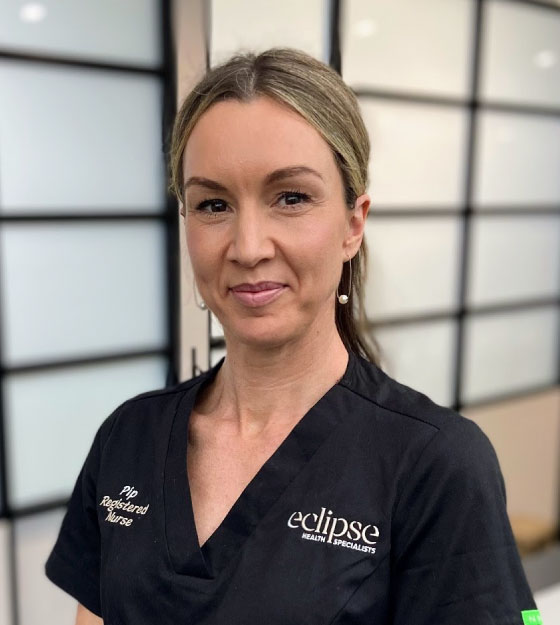
Pip Pitson – Aesthetic Practice Nurse
Pip is here to look after your aesthetic concerns. Whether it is anti-wrinkle, filler injections or radiofrequency skin rejuvenation treatments you are after, Pip will be able to guide you through the myriad of options and provide you with a comprehensive skin care program that works for you. Pip also has a background in burns, plastics and reconstructive surgery nursing and enjoys anything wound related.
Ash Birrell – Dermal Therapist
Ash Birrell is an experienced dermal therapist with a special interest in treating a wide range of skin concerns. Her areas of expertise include pigmented lesions, scarring, rosacea, acne, and anti-ageing treatments. With a personalised, evidence-based approach, Ash is passionate about helping clients achieve clearer, healthier, and more radiant skin. She is known for her caring nature, attention to detail, and commitment to delivering natural-looking results through advanced, non-invasive skin therapies

How to schedule a consultation
To book an appointment, please call us on 02 6059 0612, email us at ash.thedermalclinician@gmail.com or practicenursepip@gmail.com or book online here.
FAQs
Can oily skin be dehydrated?
Yes, oily skin can still be dehydrated because dehydration is related to water loss, not oil production. This is why some people notice shine or congestion while the skin still feels tight, uncomfortable or reactive.
How do I know if my skin is dehydrated?
Dehydrated skin may feel tight after cleansing, look dull, show fine surface lines or become more sensitive to skincare products. A professional skin assessment can help identify whether dehydration, dryness, irritation or barrier disruption is contributing to your symptoms.
Why does dehydrated skin feel tight after cleansing?
Dehydrated skin may feel tight after cleansing when the skin barrier is not retaining water effectively, or when the cleanser is too stripping for the skin. If this happens regularly, it may be worth reviewing your cleanser, active ingredients and moisturiser to reduce avoidable irritation.
Can chemical peels help dehydrated skin?
A carefully selected chemical peel may be considered when dehydrated skin is associated with dullness, rough texture or surface build-up. The skin barrier and sensitivity level should be assessed first, as some skin may need calming and barrier support before active treatment.
How long does dehydrated skin take to improve?
The timeframe varies depending on the cause of dehydration, the condition of the skin barrier and the treatment plan recommended. Some people notice improved comfort sooner, while longer-term texture or sensitivity concerns may need a more gradual approach.
- *This article is not intended to be used for diagnosis or treatment. It is aimed at presenting a perspective only and is not a substitute for a clinical assessment. Anyone experiencing a medical condition should consult their doctor.
 Online Marketing For Doctors