
Medically reviewed by Dr Queenie Chan | Consultant Plastic Surgeon | Last updated September 2026
Skin can begin to feel rough for reasons that are not always obvious. A surface that once felt smooth may become coarse, flaky, dull or more reactive, and repeatedly exfoliating it does not necessarily resolve the underlying problem.
Roughness needs to be approached according to what is causing it and how well the skin barrier is functioning. At Dr Queenie Chan’s clinic, we assess the skin carefully before recommending any rough skin texture treatment, as some skin needs calming and barrier support before a peel or laser procedure is introduced.
What Is Rough Skin Texture?
Rough skin texture describes a surface that feels coarse, dry, grainy or sandpapery rather than smooth and supple. It may be accompanied by flaking, dull patches, fine surface lines or increased sensitivity, and skincare or makeup can catch on the dry areas rather than applying smoothly.

What Causes Rough Skin Texture?
The surface of the skin relies on a regular renewal cycle and a functioning barrier to remain smooth and retain water. When either process is disrupted, dry cells can accumulate, and the skin may become coarse, flaky or more sensitive.
Possible causes include:
- Skin dehydration can leave the surface tight, dull and less supple.
- A weakened barrier allows water to escape and makes the skin more reactive.
- Dead skin cells can accumulate when natural shedding slows.
- Strong cleansers may remove too much oil from the surface.
- Frequent scrubs, acids or retinoids can cause irritation and flaking.
- Sun exposure can affect surface renewal and collagen quality.
- Wind, cold weather, indoor heating and air conditioning can increase dryness.
- Natural age-related changes may slow the skin’s renewal process.
- Eczema, dermatitis and other skin conditions can cause persistent scaling and require appropriate medical assessment.
How to Improve Rough Skin Texture
Reaching immediately for a stronger scrub or exfoliating acid can be tempting, but it is not always the right solution. When roughness is accompanied by tightness, stinging or visible irritation, reducing active products and helping the barrier recover may be more useful.
A gentler routine may involve:
- Using a mild cleanser that does not leave the skin feeling stripped.
- Applying moisturisers containing ceramides or other barrier-supporting ingredients.
- Adding hydrating ingredients such as glycerin, hyaluronic acid or vitamin B5.
- Reducing exfoliating acids, scrubs and retinoids while the skin is reactive.
- Reintroducing active products slowly once comfort has improved.
- Applying broad-spectrum sunscreen each day.
- Avoiding rubbing, picking or manually removing flaky areas.
- Arranging an assessment if the roughness does not settle.
Struggling with Rough Skin Texture?
Book a consultation with a member of Dr Queenie’s treatment team to discuss your concerns.
Rough Skin Texture Treatment Options
Once the condition of the barrier has been established, treatment can be directed towards the cause and depth of the roughness. Surface cell build-up may respond to controlled exfoliation, while sun-related or more established changes can require laser-based renewal.
Chemical Peel Treatment
Chemical peels use a carefully selected solution to loosen and remove surface cells in a controlled way. They can help refine roughness linked to dullness, congestion or accumulated dry cells. The strength of the peel must suit the skin’s current tolerance, as a stronger peel is not automatically the better choice.
Laser Skin Rejuvenation
Laser skin rejuvenation uses focused energy to encourage renewal within the skin. It can address persistent roughness that appears alongside fine lines, sun exposure or a generally dull surface. The technology and settings used will determine both the depth of treatment and the recovery involved.
Alma Hybrid Laser
By combining ablative and non-ablative wavelengths, Alma Hybrid can work across different layers during the same treatment. This makes it relevant when surface roughness is accompanied by more established lines or sun-related changes. The proportion of each wavelength can be altered to match the concern and planned downtime.
UltraClear
UltraClear creates fractional treatment channels using cold fibre laser technology. It supports surface renewal while also encouraging remodelling below the treated area. Several treatment modes are available, allowing the procedure to range from lighter renewal to a more involved resurfacing treatment.
Rough Skin Texture Treatment at Dr Queenie Chan’s Clinic
Not every rough or flaky surface is ready for active treatment. If the skin is already irritated, we may recommend simplifying the home routine or strengthening the barrier before moving forward with a peel or laser procedure.
Consultation
We look at where the roughness appears, how the skin feels and whether there is flaking, sensitivity, congestion or sun-related damage. We will also ask about recent product changes, active ingredients, previous reactions, medical history and treatments that may have altered the skin.
Procedure
A chemical peel involves cleansing the area before applying the chosen peel solution for a controlled period. Laser procedures use settings chosen for the depth and cause of the roughness. Preparation, appointment length and expected sensations differ between treatments and will be discussed in advance.
Results
Surface improvements can become visible as dry or damaged cells shed and fresh skin is revealed. Results from deeper laser treatment take longer to develop because renewal and remodelling continue after the initial recovery. Ongoing skincare will influence how well the smoother surface is maintained.
Recovery
Peeling, dryness, redness or tightness can occur while the treated surface renews. More intensive resurfacing can also cause swelling and a longer period of sensitivity. During this time, skincare should remain gentle, and the area must be protected from sun exposure.
Possible Risks or Side Effects
Peels and lasers create a controlled response, but the skin does not react identically in every person. Using an unsuitable treatment strength or treating an already compromised barrier can increase irritation and delay recovery.
Potential effects include:
- Redness, warmth or temporary swelling
- Dryness, tightness or visible peeling
- Short-term sensitivity to skincare
- Irritation or a longer-than-expected recovery
- Temporary darkening or lightening of the skin
- Increased sensitivity to sun exposure
- Infection or scarring in less frequent cases
We will explain what is expected after the recommended procedure has been confirmed, including how to care for the skin and which changes should be reported to the clinic.

Why Choose Us for Your Rough Skin Texture Treatment?
Choosing the right treatment for rough skin means first understanding why the surface has changed. At Dr Queenie Chan’s clinic, we take a barrier-conscious approach and avoid introducing aggressive resurfacing before the skin is ready.
Our care includes:
- Thorough assessment of surface roughness, sensitivity and barrier function.
- Review of products or skincare habits that may be contributing to irritation.
- Access to chemical peels and several laser resurfacing technologies.
- Treatment depth and intensity adjusted for the individual skin.
- Preparation advice where the barrier needs support before treatment.
- Clear guidance for managing peeling, dryness and sensitivity afterwards.
- Realistic recommendations based on what professional treatment can achieve.
Meet The Team
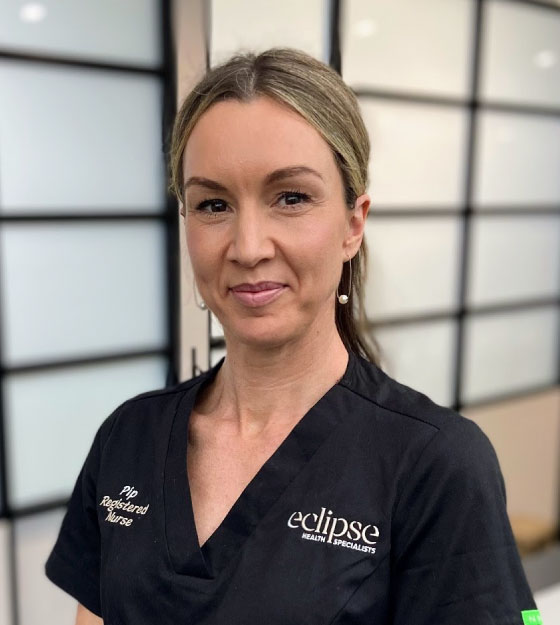
Pip Pitson – Aesthetic Practice Nurse
Pip is here to look after your aesthetic concerns. Whether it is anti-wrinkle, filler injections or radiofrequency skin rejuvenation treatments you are after, Pip will be able to guide you through the myriad of options and provide you with a comprehensive skin care program that works for you. Pip also has a background in burns, plastics and reconstructive surgery nursing and enjoys anything wound related.
Ash Birrell – Dermal Therapist
Ash Birrell is an experienced dermal therapist with a special interest in treating a wide range of skin concerns. Her areas of expertise include pigmented lesions, scarring, rosacea, acne, and anti-ageing treatments. With a personalised, evidence-based approach, Ash is passionate about helping clients achieve clearer, healthier, and more radiant skin. She is known for her caring nature, attention to detail, and commitment to delivering natural-looking results through advanced, non-invasive skin therapies

How to schedule a consultation
To book an appointment, please call us on 02 6059 0612, email us at ash.thedermalclinician@gmail.com or practicenursepip@gmail.com or book online here.
FAQs
Can dehydration cause rough skin texture?
Yes. Skin that lacks water can become tight, dull and coarse even when it continues to produce oil. Hydration and barrier support may need to be prioritised before exfoliating treatments are introduced.
Can oily skin still feel rough?
Oil production and hydration are separate aspects of skin function. Oily skin can still develop rough areas because of dehydration, irritation, congestion or accumulated surface cells.
Will exfoliating remove rough skin texture?
Exfoliation can help when dead surface cells are contributing to the roughness. It will not solve every cause, however, and excessive exfoliation can create further dryness and sensitivity.
Can over-exfoliation make rough skin worse?
Yes. Using too many acids, scrubs or retinoids can disturb the barrier and lead to stinging, flaking and persistent tightness. A simpler routine may be needed until the skin feels settled again.
How long does rough skin texture take to improve?
Temporary roughness caused by product use or dehydration may improve once the trigger is removed and the barrier begins to recover. More established sun-related changes or persistent surface build-up can take longer and may require a planned course of care.
Is rough skin texture treatment suitable for sensitive skin?
Sensitive skin can sometimes be treated, but it needs a particularly careful assessment. We may recommend preparation, a gentler procedure or postponing treatment if the surface is already inflamed.
Should I have treatment while my skin is irritated?
It is generally better to identify and settle active irritation before beginning a peel or resurfacing laser. Treating a compromised barrier can intensify discomfort and make the recovery less predictable.
Can rough skin texture return?
It can return if factors such as sun exposure, harsh products, dehydration or repeated over-exfoliation continue. A suitable home routine helps maintain the skin after professional treatment.
Can areas other than the face be treated?
Depending on the cause, selected treatments can be used on the neck, décolletage, hands or areas of the body. Skin thickness and healing differ between locations, so treatment settings cannot simply be transferred from the face.
Can a chemical peel and laser treatment be combined?
Peels and lasers can form part of a staged treatment plan, but they are not always performed during the same appointment. The timing should allow the skin to recover fully and avoid placing unnecessary stress on the barrier.
*This article is not intended to be used for diagnosis or treatment. It is aimed at presenting a perspective only and is not a substitute for a clinical assessment. Anyone experiencing a medical condition should consult their doctor.
 Online Marketing For Doctors