
Medically reviewed by Dr Queenie Chan | Consultant Plastic Surgeon | Last updated August 2026
Skin can gradually lose some of its firmness as collagen, elasticity and underlying support change. This may first become noticeable around the face and neck or in areas affected by pregnancy and weight changes, although the extent and pattern vary considerably between individuals.
At Dr Queenie Chan’s clinic, skin laxity treatment is recommended following a careful assessment of the area, degree of laxity and overall skin quality. This allows us to develop an approach suited to the individual and their treatment goals.
What Is Skin Laxity?
Skin laxity is a loss of firmness and elasticity that makes the skin feel less resilient or supported. It develops as collagen and elastin change and may appear as subtle looseness, fine creasing or reduced definition before more substantial skin changes become noticeable.

What Causes Skin Laxity?
Skin laxity rarely has one single cause. Natural ageing plays a central role, but the rate at which firmness changes can also be influenced by environmental exposure, genetics and periods when the skin has been stretched.
Contributing factors include:
- Natural ageing: Collagen and elastin production and organisation gradually change, affecting strength and flexibility.
- Sun exposure: UV damage can accelerate collagen breakdown and make changes in firmness more noticeable.
- Weight fluctuations: Skin may not fully adjust after it has been stretched and the underlying volume decreases.
- Pregnancy: Abdominal skin can remain less firm after accommodating changes during pregnancy.
- Genetics: Skin thickness, elasticity and the timing of visible changes vary between individuals.
- Hormonal changes: Hormones can influence skin thickness, hydration and collagen production.
- Smoking: Smoking affects circulation and contributes to the breakdown of collagen and elastin.
- Lifestyle and environmental factors: Nutrition, sleep, pollution and long-term skin damage may also affect skin quality.
Where Can Skin Laxity Develop?
Skin laxity can affect any area where collagen support has weakened, or the tissues have been stretched. Around the face, changes may be seen through the cheeks, lower face, jawline and areas around the mouth, while the neck and décolletage are particularly vulnerable because the skin is thinner and frequently exposed to sunlight. On the body, laxity may develop across the abdomen, upper arms and thighs, particularly following pregnancy or weight changes.
How to Support and Improve Skin Laxity
No skincare routine can completely prevent the natural changes that occur within the skin. However, protecting collagen and maintaining the overall condition of the skin may help slow avoidable damage and support the results of professional treatment.
Helpful measures include:
- Applying broad-spectrum sunscreen consistently.
- Using moisturising products that support the skin barrier.
- Introducing retinoids and antioxidants where they are suitable for your skin.
- Avoiding smoking and repeated unprotected sun exposure.
- Maintaining a reasonably stable weight where possible.
- Following a balanced diet that provides sufficient protein and nutrients.
- Seeking advice before skin laxity becomes more established.
Struggling with Skin Laxity?
Book a consultation with a member of Dr Queenie’s treatment team to discuss your concerns.
Skin Laxity Treatment Options
Treatment should reflect both the degree of laxity and the depth at which support has changed. RF microneedling can work at selected tissue depths, while fractional laser treatments may be more appropriate when reduced firmness appears alongside wrinkles, sun damage or declining surface quality.
Morpheus 8
Morpheus 8 combines microneedling with radiofrequency energy delivered at controlled depths. By creating a targeted response within the skin, it supports collagen and elastin remodelling over time. It can be used on selected areas of the face and body, with the treatment depth adjusted to the tissue involved.
UltraClear
UltraClear is a fractional cold fibre laser that supports resurfacing and collagen remodelling. Its Laser-Coring mode creates microscopic channels that contract as they heal, which may improve skin firmness, contour, crepey texture and etched lines. Where suitable, it may be combined with a course of Morpheus8, which delivers radiofrequency energy through microneedles at selected depths to address laxity in a complementary way.
Alma Hybrid Laser
Alma Hybrid combines ablative and non-ablative wavelengths to work at more than one level of the skin. It is particularly relevant when early laxity appears alongside sun-related damage, wrinkles or a decline in surface quality. The balance between the two wavelengths can be adjusted to provide different levels of renewal and recovery.
Skin Laxity Treatment at Dr Queenie Chan’s Clinic
Skin laxity varies considerably between individuals, and an option suited to early facial changes may not be appropriate for an area of the body affected by stretching. We use the consultation to establish what has changed and what treatment can realistically achieve.
Consultation
We examine the degree and location of the laxity, along with skin thickness, elasticity, sun damage and any related concerns. Your medical history, current skincare, previous procedures and expectations are also reviewed to determine whether a non-surgical treatment is suitable. If a surgical approach is considered more appropriate, options such as a facelift, neck lift or abdominoplasty may be discussed.
Procedure
The treatment area is prepared before the selected RF or laser technology is used. Depth, energy and coverage are adjusted to suit the skin and the level at which treatment is required. We will explain the expected sensations, comfort measures and approximate appointment time beforehand.
Results
Collagen remodelling takes place gradually, so changes in firmness do not appear all at once. Some improvements in skin quality may be seen earlier, with further development over the following months. The number of sessions and degree of change will depend on the starting condition of the skin and individual response.
Recovery
Your recovery will be influenced by the treatment used and its intensity. Temporary redness, warmth, swelling, dryness, flaking or pinpoint marks can occur. Aftercare instructions will explain how to cleanse and protect the area and when usual skincare products can be restarted.
Possible Risks or Side Effects
All RF and laser procedures carry potential risks. Skin type, treatment depth, medical history and individual healing response will be considered when deciding whether a particular option is suitable.
Possible effects include:
- Temporary redness, warmth or swelling
- Tenderness or increased sensitivity
- Dryness, roughness or flaking
- Bruising or pinpoint marks after microneedling-based treatment
- Temporary darkening or lightening of the skin
- Prolonged redness or irritation
- Infection or scarring, although these occur less frequently
The risks associated with your recommended procedure will be explained during your consultation, together with the signs that require clinical advice during recovery.

Why Choose Us for Your Skin Laxity Treatment?
Skin laxity varies between individuals, so treatment should begin with careful assessment. At Dr Queenie Chan’s clinic, we consider skin quality, elasticity and the depth of the concern to recommend suitable treatment and set realistic expectations.
Our approach includes:
- Detailed assessment of skin firmness, elasticity and contributing factors.
- Recommendations based on the treatment area and degree of laxity.
- Access to Morpheus 8 and fractional laser technologies.
- Device settings selected for the individual rather than a standard protocol.
- Realistic discussion of the changes that treatment may and may not achieve, and whether a surgical approach may be more suitable.
- Aftercare advice tailored to the procedure and expected recovery.
- Review and maintenance planning where further treatment may be beneficial.
Meet The Team
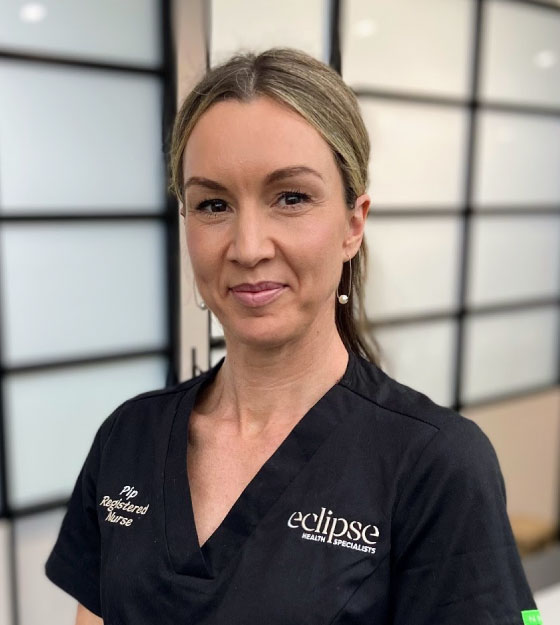
Pip Pitson – Aesthetic Practice Nurse
Pip is here to look after your aesthetic concerns. Whether it is anti-wrinkle, filler injections or radiofrequency skin rejuvenation treatments you are after, Pip will be able to guide you through the myriad of options and provide you with a comprehensive skin care program that works for you. Pip also has a background in burns, plastics and reconstructive surgery nursing and enjoys anything wound related.
Ash Birrell – Dermal Therapist
Ash Birrell is an experienced dermal therapist with a special interest in treating a wide range of skin concerns. Her areas of expertise include pigmented lesions, scarring, rosacea, acne, and anti-ageing treatments. With a personalised, evidence-based approach, Ash is passionate about helping clients achieve clearer, healthier, and more radiant skin. She is known for her caring nature, attention to detail, and commitment to delivering natural-looking results through advanced, non-invasive skin therapies

How to schedule a consultation
To book an appointment, please call us on 02 6059 0612, email us at ash.thedermalclinician@gmail.com or practicenursepip@gmail.com or book online here.
FAQs
Can skincare improve skin laxity?
Skincare can support hydration, barrier function and protection against further sun-related damage. Retinoids and selected active ingredients, such as antioxidants, may also support skin quality, but they cannot reproduce the deeper response created by RF or laser treatment.
At what age can skin laxity begin?
There is no set age because genetics, sun exposure, smoking, hormonal changes and skin thickness all affect when laxity becomes noticeable. For some people, the earliest changes are subtle and develop gradually over several years.
Does weight loss make skin laxity more noticeable?
It can, especially when a substantial reduction in weight removes some of the volume that previously supported the skin. Age, genetics, the amount of weight lost and how long the skin was stretched all influence how well it adjusts.
How many skin laxity treatments will I need?
The recommended number of sessions depends on the technology, treatment area and degree of laxity. Some people may have a planned series, while a more intensive laser procedure may be performed less frequently.
When will I see the results of skin laxity treatment?
Early changes in skin quality can become noticeable as the area recovers, but improvements involving collagen remodelling take longer. Firmness may continue to develop over several months rather than reaching its final point immediately after treatment.
Is skin laxity treatment painful?
Sensation varies between procedures, treatment depths and areas of the body. Comfort measures can be used where appropriate, and we will explain what the selected procedure is likely to feel like before treatment begins.
Are skin laxity treatments safe?
RF microneedling and laser treatments are considered appropriate for many people when performed by trained practitioners following a proper assessment. They still carry risks, so suitability, potential side effects and aftercare need to be discussed before proceeding.
Can skin laxity treatments be combined?
A combined or staged plan can be useful when reduced firmness appears alongside wrinkles, sun damage or crepey skin. Treatments do not necessarily need to be performed during the same appointment, and recovery time may be required between them.
Can skin laxity treatment stop further changes?
Treatment cannot stop natural ageing or prevent all future changes in firmness. Daily sun protection, appropriate skincare and maintenance treatment can help protect the skin and support the improvements achieved.
What if my skin laxity is too advanced for these treatments?
RF microneedling and fractional laser procedures cannot remove substantial amounts of excess skin. If these options are unlikely to provide a worthwhile change, we will explain their limitations and discuss whether a different approach, such as surgery with Dr Chan, should be considered.
*This article is not intended to be used for diagnosis or treatment. It is aimed at presenting a perspective only and is not a substitute for a clinical assessment. Anyone experiencing a medical condition should consult their doctor.
 Online Marketing For Doctors