Dr Queenie Chan | Last reviewed October 2026
A new spot or growth on the skin can be difficult to identify by appearance alone. It may be small and painless, or it may become rough, irritated or noticeable because it has changed. The first step is to establish what it is and whether it needs treatment or further investigation.
All skin lesions must first be assessed by a GP or dermatologist. A GP referral is required to see Dr Queenie Chan, who can then discuss treatment options for a diagnosed lesion or perform a biopsy where specifically requested.
What Are Skin Lesions?
A skin lesion is an area of skin that differs from the surrounding skin. It might appear as a spot, patch, lump, growth or area that has not healed. “Skin lesion” is a broad descriptive term, not a diagnosis. It does not tell us whether the change is harmless, needs treatment or should be tested, which is why the area must be assessed before a removal method is chosen.

What Causes Skin Lesions?
Skin lesions can develop through several processes, and the cause is not always clear from how an area looks. Some changes develop gradually as the skin ages, while others follow sun exposure, inflammation or an alteration in how skin cells grow. A lesion may also have more than one contributing factor.
Factors that can contribute include:
- Sun exposure: UV damage can lead to rough patches and other changes in the skin.
- Age-related changes: Some benign growths become more likely as the skin changes over time.
- Inflammation or injury: Skin conditions and previous damage can leave a lasting mark or altered area.
- Inherited tendencies: A person’s genes can influence the growths and marks that develop.
- Changes within skin cells: Some lesions develop when cells grow abnormally and require medical investigation.
When Should You Have a Skin Lesion Checked?
A GP or dermatologist should assess any lesion that is new, changes in size, shape or colour, bleeds, repeatedly crusts or does not heal. These changes do not automatically indicate skin cancer, but they require proper investigation before laser treatment or cosmetic removal is considered.
A lesion that appears stable but catches on clothing, becomes sore, or causes concern should also be checked. Following this assessment, a GP referral needs to be provided if treatment or a biopsy with Dr Queenie Chan is considered appropriate.
Concerned About a Skin Lesion?
Once you have a GP referral, book a consultation with Dr Queenie Chan.
Skin Lesions Treatment Options
Treatment depends on what the lesion is, where it sits and whether tissue needs to be examined. A confirmed benign surface growth may be managed differently from a suspicious spot. At Dr Queenie Chan’s clinic, the options discussed may include the following:
Shave Excision for Selected Benign Lesions
Shave excision removes a raised lesion at or near the surface of the skin. It may be suitable for certain benign growths, including selected seborrhoeic keratoses, once they have been assessed. Local anaesthetic is used, and the treated area is left to heal with the wound care instructions provided.
Surgical Excision
Surgical excision removes the lesion through an incision, which is usually closed with stitches. It may be recommended when a growth needs complete removal or when tissue must be sent for laboratory examination. The extent of surgery and any further care depend on the diagnosis and the lesion’s position.
Laser Treatment for Selected Benign Lesions
Following a skin check, Alma Hybrid or UltraClear laser may be considered for selected benign lesions or keratotic surface changes. Suitability depends on the diagnosis, treatment area and surrounding skin. A lesion that is suspicious or requires laboratory examination should follow an investigative pathway rather than being treated with laser.
Prescription Treatment for Some Actinic Changes
Some rough patches associated with sun damage may be suitable for prescription topical treatment under medical guidance. The choice of product and treatment area depends on the diagnosis. We will explain how to use it, what skin response to expect and when the area should be reviewed.
Skin Lesions Treatment at Dr Queenie Chan’s Clinic
A GP referral is required before an appointment can be arranged with Dr Queenie Chan. Once the referral has been received, Dr Chan can review the diagnosis and reason for referral before discussing the available treatment options. She may also perform a biopsy when this has been specifically requested by the referring practitioner.
Consultation
Before the consultation, the clinic must receive a GP referral confirming the reason for the appointment. Dr Queenie Chan will review the referral and any accompanying reports before discussing the proposed procedure, potential scarring, recovery and whether tissue will be sent for laboratory examination.
Procedure
The procedure varies according to the lesion. Shave or surgical excision involves local anaesthetic and leaves a wound that needs care afterwards; an excision may also require stitches. Laser and topical treatments follow different processes. The steps relevant to your treatment will be explained in advance.
Results
The appearance of the area after treatment depends on the lesion, the method used and how the skin heals. Removal may leave a scar or a change in skin colour. If tissue is sent for laboratory examination, the result may also determine whether follow-up or further treatment is needed.
Recovery
A small surface wound, a stitched incision and a laser-treated area do not heal in the same way. Redness, tenderness or changes to the treated surface may be expected for a period after treatment. You will receive instructions on caring for the area and guidance on when it should be reviewed.
Possible Risks or Side Effects of Skin Lesions Treatment
Some effects are part of normal healing. For example, the area may be tender, red or slightly swollen after removal, while laser or topical treatment can cause temporary surface changes. We will explain what to expect from the treatment recommended for you and which symptoms should prompt you to contact the clinic.
Potential risks include:
- Bleeding or infection after a removal procedure
- A noticeable scar or change in skin texture
- Darkening or lightening of the treated skin
- Healing that takes longer than expected
- An incomplete response or recurrence of the lesion
- A need for further treatment following laboratory results

Why Choose Dr Queenie Chan’s Clinic for Your Skin Lesion Treatment?
All skin lesions must first be assessed by a GP or dermatologist, and a GP referral is required before seeing Dr Queenie Chan. Following referral, Dr Chan can discuss the procedures that may be appropriate for the diagnosis, location and reason for treatment.
The clinic’s approach may include:
- Reviewing the diagnosis and information supplied with the GP referral
- Performing a biopsy when specifically requested
- Shave excision or surgical removal where appropriate
- Alma Hybrid or UltraClear laser for selected confirmed benign lesions
- Considering the lesion’s location and the possibility of scarring
- Providing wound care advice and follow-up after treatment
Meet The Team

Dr Chan – Plastic Surgeon (Registration number: MED0001191760)
Dr Chan maintains a professional and friendly practice which runs seamlessly from your initial assessment, to your pre-surgery period through to your post-surgery recovery phase. She is a strong believer in individualising treatment plans and understanding the whole patient.
The period leading up to surgery can often be a very stressful time for the most stoic amongst us. Dr Chan places immense value in listening to her patients and having an open discussion about their needs and wants, guiding them through the decision-making process armed with the right information.
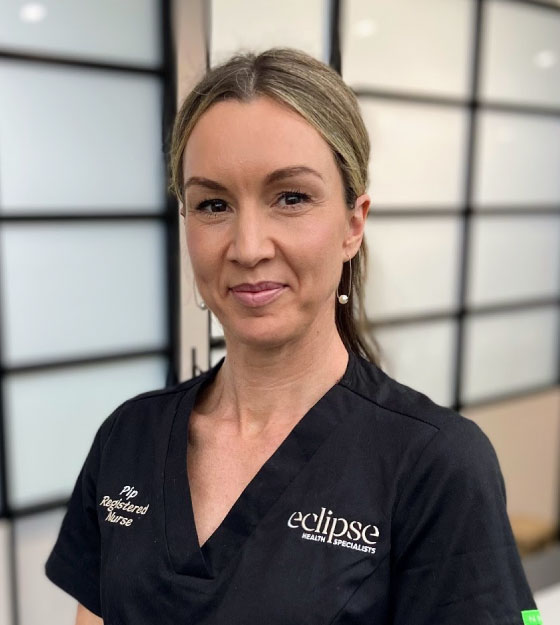
Pip Pitson – Aesthetic Practice Nurse
Pip is here to look after your aesthetic concerns. Whether it is anti-wrinkle, filler injections or radiofrequency skin rejuvenation treatments you are after, Pip will be able to guide you through the myriad of options and provide you with a comprehensive skin care program that works for you. Pip also has a background in burns, plastics and reconstructive surgery nursing and enjoys anything wound related.
How to schedule a consultation
To arrange a consultation with Dr Queenie Chan, the lesion must first be assessed by a GP or dermatologist. A GP referral must then be provided to the clinic before an appointment can be booked. Once the referral has been received, please call 02 6059 0612 or book online via our website.
FAQs About Skin Lesions
Are all skin lesions dangerous?
No. Many skin lesions are benign, but their appearance alone may not tell you exactly what they are. A new or changing spot should be assessed before you consider having it removed.
When should I see a doctor about a skin lesion?
Seek advice if a lesion changes, bleeds, repeatedly crusts or does not heal. You can also arrange an assessment for a growth that remains stable but becomes irritated or bothersome.
How are skin lesions diagnosed?
A GP or dermatologist will examine the lesion and consider how it has developed. If treatment or a biopsy with Dr Queenie Chan is recommended, a GP referral is required before a consultation can be arranged.
Can a skin lesion be treated with a laser?
Yes. Selected benign skin lesions may be treated with Alma Hybrid or UltraClear laser. The most appropriate laser and treatment settings will depend on the lesion’s type, depth and location, as well as the surrounding skin.
Is skin lesion removal painful?
Local anaesthetic is used for shave or surgical excision, although you may feel the injection and some movement or pressure during the procedure. Tenderness afterwards depends on the method and the area treated.
Will skin lesion removal leave a scar?
Any procedure that removes or alters skin can leave a mark. The likelihood of a scar depends on the lesion, its location, the method used, and how the wound heals, and we will discuss this before treatment.
How long does recovery take after skin lesion removal?
There is no single recovery time for every lesion. A small surface wound, an incision closed with stitches, and a laser-treated area heal differently, so we will give you instructions and a more useful estimate once the treatment is chosen.
Will a removed skin lesion grow back?
Some lesions can recur, particularly if treatment does not remove all the affected tissue. A new lesion may also develop elsewhere, so a later mark is not necessarily the same growth returning.
Can a lesion on the face be removed?
Yes, some facial lesions may be suitable for removal. The diagnosis and position of the lesion influence the choice of method, and potential scarring or colour changes will be discussed before treatment.
*This article is not intended to be used for diagnosis or treatment. It is aimed at presenting a perspective only and is not a substitute for a clinical assessment. Anyone experiencing a medical condition should consult their doctor.
 Online Marketing For Doctors