
Dr Queenie Chan | Last reviewed October 2026
A mark that has remained for months, repeated breakouts or a patch of uneven colour can leave you unsure which skincare or treatment to try. Different changes can look similar but need a different approach. Blemishes treatment begins with identifying the cause, rather than choosing a procedure based on appearance alone.
At Dr Queenie Chan’s clinic, we assess concerns involving skin colour, congestion and texture before recommending care. Your skin type, sensitivity and previous treatments help guide that advice. The plan may involve changes to skincare, an in-clinic procedure or medical review where the concern needs further assessment.
What Are Skin Blemishes?
‘Skin blemishes’ is a general term for visible spots, marks or small irregularities in the skin. These may include blackheads and whiteheads, inflamed spots, sun-related pigmentation, lingering red or brown marks, and small areas of uneven texture or scarring. The term is not a diagnosis and does not explain why a change has developed.
Blemishes can affect the face, chest, back, shoulders, hands or other areas. A brown mark, a red patch and a depressed scar involve different skin processes and need individual assessment. A new, changing, bleeding or non-healing spot should be checked by your GP before cosmetic treatment is considered.

What Causes Skin Blemishes?
Skin blemishes can develop through changes in pigment, inflammation, blocked follicles or the way skin heals after damage. Several factors may be involved at the same time. For example, a breakout can produce both an active spot and a coloured mark that remains after the inflammation settles.
Contributing factors include:
- Sun exposure, which can contribute to localised pigmentation and uneven skin colour.
- Oil and dead skin cells collecting within follicles, producing blackheads, whiteheads or breakouts.
- Hormonal changes can also trigger melasma, and some patients would consider it a blemish.
- Inflammation associated with acne, irritation or other skin conditions, which may leave redness or pigmentation.
- Picking, injury or previous inflammation that alters the skin’s surface as it heals.
- Unsuitable skincare or excessive exfoliation that irritates the skin and aggravates existing marks and can disrupt the skin’s barrier function, leading to further blemishes and delayed healing.
How to Help Prevent Skin Blemishes
Prevention depends on the cause. Daily sun protection may help limit UV-related pigment changes, while suitable skincare can reduce avoidable irritation and support acne-prone skin. Persistent redness, recurrent breakouts or unexplained pigmentation may need assessment rather than repeated changes to products.
Practical steps include:
- Apply broad-spectrum SPF 50+ sunscreen and use clothing, shade and a hat to limit sun exposure.
- Cleanse gently and choose products suited to your skin, including non-comedogenic products where congestion is a concern.
- Avoid squeezing spots or picking at marks, which can prolong inflammation and increase the risk of scarring.
- Introduce exfoliating acids and other active ingredients gradually, reducing use if irritation develops. If you have a history of hypersensitivities, it is useful to do a test patch prior to commencing a new skincare product by applying a small amount of the product on the skin of your inner forearm twice daily for 2-3 days.
- Seek advice if a blemish persists or changes, rather than repeatedly trying products without knowing the cause.
Struggling with Blemishes?
Book a consultation with a member of Dr Queenie’s treatment team to discuss your concerns.
Blemishes Treatment Options
The treatment selected depends on whether the concern involves congestion, pigment, redness or a structural change such as scarring. Skin tolerance and the risk of pigment changes also influence the choice. Some concerns need medical management before a cosmetic procedure is appropriate, particularly severe or persistent active acne.
Chemical Peels for Congestion and Superficial Blemishes
Selected chemical peels may help with blocked pores, superficial pigmentation and roughness through controlled exfoliation. The peel formulation and depth are chosen according to the concern and the condition of the skin barrier. Irritated skin may need to settle first, and a peel alone may not address an underlying acne or pigment disorder.
DYE-VL for Selected Redness and Pigmented Marks
DYE-VL uses filtered intense pulsed light to target selected vascular and superficial pigment changes. It may be considered where localised redness, visible vessels or certain sun damage contribute to uneven skin colour. Suitability depends on the diagnosis, skin tone and type of colour change present.
Laser Resurfacing for Skin Blemishes and Scars
Laser resurfacing, including Alma Hybrid or UltraClear, uses laser energy absorbed by water in the skin, creating tiny, controlled treatment zones that prompt the skin’s natural healing response and new collagen growth. It may be considered for uneven texture and acne scarring, with the depth and settings tailored to your skin and how much recovery time suits you.
Morpheus 8 for Scars and Uneven Skin Texture
Morpheus 8 delivers radiofrequency energy through fine microneedles to encourage collagen remodelling beneath the skin’s surface. It may be considered for selected acne scars and associated textural irregularities. We assess scar type, depth and surrounding skin before recommending treatment and discussing what improvement may be possible.
Blemishes Treatment at Dr Queenie Chan’s Clinic
Before treatment, we assess both the blemishes and the surrounding skin. We discuss how the changes developed and what you would like to address, then explain whether skincare, a procedure or further medical management may be appropriate.
Consultation for Skin Blemishes
We examine the affected area and discuss when the changes appeared, any symptoms and previous treatments. Your current skincare, medications, sun exposure, and history of pigment changes or unusual scarring help guide recommendations. Where further medical assessment is needed, we explain the appropriate next step before arranging a cosmetic procedure.
Your Blemishes Treatment Procedure
A chemical peel involves applying a selected solution, while light-based treatment, laser resurfacing and Morpheus 8 use different forms of energy. We explain preparation, pain relief where appropriate, and the treatment steps before you decide whether to proceed.
Results After Blemishes Treatment
Changes in colour and changes in texture develop differently. A superficial mark may fade as pigment is processed or skin renews, while scar remodelling can take longer. The degree of improvement varies, and some concerns require several sessions or ongoing management. Complete removal may not be possible, and new blemishes can develop over time.
Recovery After Blemishes Treatment
Recovery varies with the procedure, its intensity and the area treated. Redness, swelling, sensitivity, flaking or crusting may occur, and some pigmented marks may darken before fading. We provide instructions on cleansing, moisturising, sun protection and restarting active skincare, together with advice on symptoms that should prompt contact with the clinic.
Possible Risks and Side Effects of Blemishes Treatment
Each treatment has its own risks, which we discuss in relation to your skin and the proposed procedure. Irritation or inflammation can worsen some colour changes, making treatment selection and aftercare particularly important for skin prone to post-inflammatory pigmentation.
Potential risks include:
- Redness, swelling, discomfort or prolonged sensitivity.
- Darkening or lightening of the treated skin.
- Blistering, burns or delayed healing after energy-based treatment.
- Infection or scarring following a procedure.
- An incomplete response, recurrence or a need for further treatment.

Why Choose Us for Your Blemishes Treatment?
Skin blemishes can involve changes in colour, congestion or texture, each requiring a different approach. At Dr Queenie Chan’s clinic, consultations, treatment planning and treatments are provided by our degree-qualified dermal clinician, with Dr Queenie Chan involved where medical assessment or management is needed.
Our approach includes:
- Detailed assessment of the blemishes, surrounding skin and contributing factors.
- Recommendations that account for skin tone, sensitivity and previous treatment responses.
- Treatment plans tailored to the type, depth and location of the concern.
- Clear discussion of potential improvements, treatment limitations, risks and recovery.
- Aftercare advice covering skincare, sun protection and care of the treated area.
- Follow-up and ongoing management advice where blemishes persist or recur.
Meet The Team
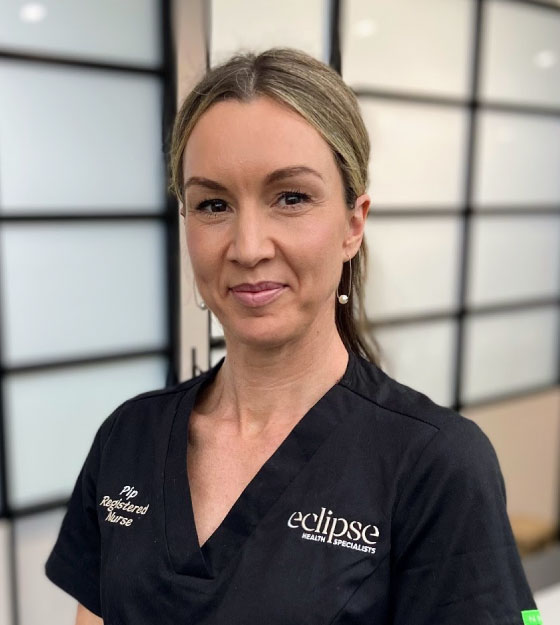
Pip Pitson – Aesthetic Practice Nurse
Pip is here to look after your aesthetic concerns. Whether it is anti-wrinkle, filler injections or radiofrequency skin rejuvenation treatments you are after, Pip will be able to guide you through the myriad of options and provide you with a comprehensive skin care program that works for you. Pip also has a background in burns, plastics and reconstructive surgery nursing and enjoys anything wound related.
Ash Birrell – Dermal Therapist
Ash Birrell is an experienced dermal therapist with a special interest in treating a wide range of skin concerns. Her areas of expertise include pigmented lesions, scarring, rosacea, acne, and anti-ageing treatments. With a personalised, evidence-based approach, Ash is passionate about helping clients achieve clearer, healthier, and more radiant skin. She is known for her caring nature, attention to detail, and commitment to delivering natural-looking results through advanced, non-invasive skin therapies

Book Your Blemishes Treatment Consultation
To discuss persistent spots, uneven pigmentation, redness or textural changes, arrange a skin consultation at our Albury clinic. We can assess the area and explain which options may be appropriate. Call 02 6059 0612 or book online via our website.
FAQs About Blemishes Treatment
What do skin blemishes look like?
Skin blemishes may appear as raised spots, blocked pores, flat red or brown marks, patches of uneven colour or small areas of altered texture. Their appearance varies with the cause, and several types of blemishes can occur together.
Are skin blemishes always caused by acne?
No, acne is only one possible cause. Sun exposure, pigmentation changes, irritation, vascular changes and previous skin injury can also produce marks or irregularities described as blemishes.
Can skin blemishes go away on their own?
Some spots and marks left by inflammation can settle or fade over time. Sun-related pigmentation, persistent redness and established scars may remain, so whether a blemish improves without treatment depends on its cause.
When should I get a skin blemish checked?
A new or changing blemish should be assessed, particularly if it bleeds, repeatedly crusts or does not heal. Painful or persistent breakouts also warrant medical advice, as treating the underlying condition may help limit further inflammation and scarring.
Can chemical peels help with skin blemishes?
Selected chemical peels may help with congestion, superficial pigmentation and rough surface texture. The formulation and depth need to suit the concern and skin condition, as an unsuitable peel can aggravate irritation or pigment changes.
Can laser treatment remove skin blemishes?
Laser treatment may improve certain pigmented marks, scars or textural irregularities, depending on the technology and the cause of the blemish. Complete removal may not be possible, and concerns involving redness or visible vessels may require a different laser or light-based approach.
Can skin blemishes be treated on darker skin?
Some blemish treatments may be suitable for darker skin, but the risk of darkening or lightening needs careful consideration. Skin tone, the cause of the blemish and any previous pigment response help determine which approach and settings may be appropriate.
How long does blemish treatment take to show results?
The timing depends on the blemish and treatment selected. Changes in superficial colour may become clearer as the treated skin heals, while improvements involving scar remodelling take longer and may require assessment over several months.
Do skin blemishes leave permanent marks or scars?
Some blemishes can leave lasting changes, particularly where inflammation or injury has affected the skin’s structure. Flat red or brown marks may fade, while a raised or depressed scar can persist and may need a different treatment approach.
How can I help prevent skin blemishes from returning?
Sun protection, suitable skincare and avoiding picking or excessive exfoliation may help reduce further marks and irritation. Where blemishes are linked to ongoing acne, inflammation or another skin condition, managing that cause is also important because a cosmetic procedure alone may not prevent recurrence.
*This article is not intended to be used for diagnosis or treatment. It is aimed at presenting a perspective only and is not a substitute for a clinical assessment. Anyone experiencing a medical condition should consult their doctor.
 Online Marketing For Doctors