
What is Collagen and What is it Good for?
Last updated on June 22, 2026

Collagen is one of the most talked-about words in skincare, but it is also one of the easiest to misunderstand. It is often linked with firmness, smoother-looking skin and ageing, yet collagen is not a single quick-fix ingredient or something that can simply be “put back” into the skin with one product.
So, what is collagen, and why does it matter for skin health? In this blog, we explain what collagen does, why it changes over time, how skincare fits into the picture and when professional skin treatments may be considered as part of a broader plan for skin quality.
What is Collagen?
Collagen is the most abundant protein in the body. It acts as part of the body’s internal support framework, helping tissues maintain strength, flexibility and resilience. There are several types of collagen, but when people talk about collagen in skincare, they are usually referring to the collagen (Types 1 and 3) found within the dermis, which is the deeper layer of the skin.
This deeper layer acts as a scaffolding and supports the visible surface of the skin above it. When collagen is well organised, the skin may appear smoother, firmer and more supported. As collagen structure changes over time, the skin may begin to look thinner, less firm or more texturally uneven. These changes are normal, although the way they appear can vary from person to person.
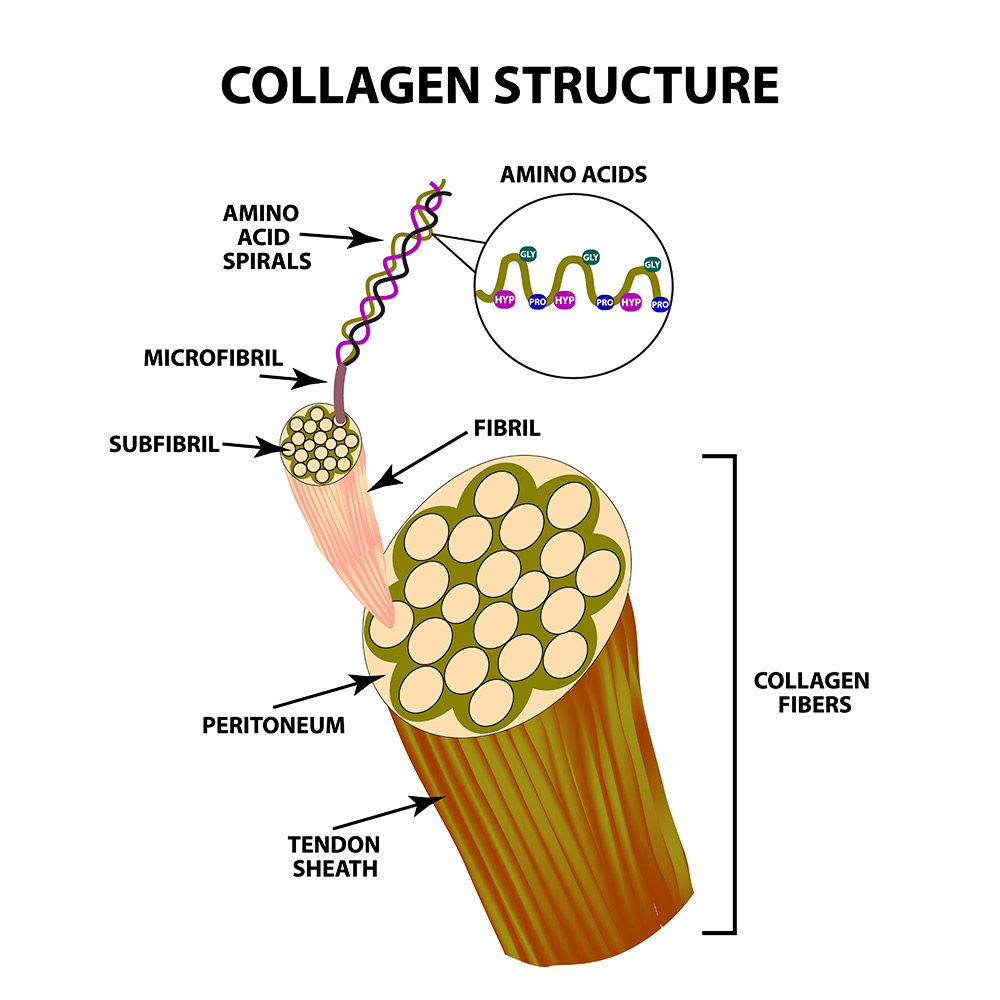
Collagen plays an important role in skin structure, but it works alongside hydration, elastin and barrier function.
What Does Collagen Do for the Skin?
Collagen helps give the skin structure. It forms part of the support network and scaffolding that contributes to skin firmness, texture and strength. It also works alongside elastin, which helps the skin stretch and return to shape, as well as other important components such as hyaluronic acid, natural oils and the skin barrier.
This is why collagen should not be viewed as the only factor involved in healthy-looking skin. Concerns such as fine lines, roughness, dullness, uneven texture or mild laxity may involve collagen, but they may also be influenced by dehydration, inflammation, pigment changes, sun exposure, product irritation or changes in the skin’s natural renewal cycle.
Why Does Collagen Change Over Time?
Collagen changes gradually as part of the skin’s natural ageing process. Over time, the body produces collagen differently, and existing collagen fibres may become less organised. This can contribute to visible changes in texture, elasticity and firmness, although the timing and extent of these changes are different for everyone.
External factors can also influence collagen quality. Sun exposure is one of the major contributors to collagen breakdown, which is why daily sun protection is an important part of long-term skin care. Smoking, inflammation, poor sleep, stress, nutritional factors and environmental exposure may also affect how the skin functions, repairs and responds to everyday stressors.
Can Skincare or Supplements Replace Collagen?
Collagen is heavily marketed in skincare and wellness products, but it is worth being realistic about what these products can and cannot do. Collagen molecules are large, and applying collagen to the skin does not mean it becomes new collagen within the deeper skin structure.
Collagen drinks and supplements often contain amino acids, peptides, keratin, collagen, vitamins, minerals, antioxidants and sometimes hyaluronic acid. Some studies suggest possible improvements in skin firmness, hydration and elasticity, although it is not always clear whether this is due to collagen itself or the combination of ingredients used in commercial products.
For people wanting to support skin quality, the more established foundations remain consistent with sun protection, a protein-rich diet, retinoids where appropriate, and active skincare selected for the individual’s skin. If you are considering collagen supplements, review the label and speak with your GP first if you have chronic health conditions, protein restrictions, active liver or kidney disease, or a tendency towards gout.

Collagen changes gradually over time, with sun exposure and lifestyle factors also influencing skin quality.
Professional Treatments That Support Collagen Production
Some professional treatments are discussed in relation to collagen because they are designed to create a controlled response in the skin. This does not mean they add collagen into the skin. Instead, they encourage the skin to go through a repair and renewal process, which can involve collagen production and remodelling over time.
At Dr Queenie Chan’s clinic, collagen-related concerns may be discussed during consultation where they are relevant to skin texture, fine lines, acne scarring, sun-related changes or mild laxity. Treatment options may include:
RF Microneedling and Morpheus8
RF microneedling uses fine microneedles to create tiny channels in the skin, while radiofrequency energy delivers controlled heat into selected skin layers. This combination encourages a repair response, which can support collagen and elastin production as the skin heals. Morpheus8 is a form of RF microneedling, with treatment depth and settings adjusted according to the treatment area and concern.
Laser Skin Rejuvenation
Laser skin rejuvenation uses targeted laser energy to create controlled changes within the skin. Depending on the laser used, this can encourage the skin’s repair process and stimulate collagen production while also supporting renewal of the skin’s surface.
Alma Hybrid Laser
The Alma Hybrid Laser combines different laser technologies to treat the skin at more than one level. By creating controlled thermal energy in the skin, it can support collagen stimulation while also addressing concerns such as texture, scarring, sun-related changes and broader skin quality.
UltraClear Laser
UltraClear uses cold laser technology to create controlled energy delivery within the skin. This process is designed to support dermal remodelling and collagen building, helping to improve skin quality, texture and renewal while treatment settings are tailored to the individual’s skin and suitability.
When Should You Consider a Professional Skin Assessment?
A professional skin assessment may be helpful if you are unsure what is contributing to changes in your skin. Concerns such as rough texture, dullness, fine lines, acne scarring, sun-related changes, enlarged pores, uneven tone or mild laxity can have different underlying causes, so the treatment approach should not be based on collagen alone.
During consultation, we can assess the skin, discuss your concerns and consider which options may be suitable. This may include a treatment plan, changes to skincare, guidance around sun protection or a staged approach that focuses first on improving skin tolerance and barrier function. The aim is to recommend an approach that is appropriate for the individual, rather than assuming every collagen-related concern needs the same treatment.
Understanding Collagen Without the Hype
Collagen is important, but it is not a magic switch for better skin. It is part of the skin’s natural support structure, and it works alongside hydration, elastin, skin barrier function and healthy cellular turnover. Understanding this helps make the collagen conversation more realistic and less driven by marketing claims.
If you are concerned about skin texture, firmness, sun-related changes or overall skin quality, a professional assessment can help identify what may be contributing to those changes. At Dr Queenie Chan’s clinic, treatment recommendations are based on individual skin needs, suitability and careful clinical planning, so any collagen-related treatment can be considered within the context of broader skin health.
How to schedule a consultation
To book an appointment, please call us on 02 6059 0612, email us at admin@eclipsehs.com or book online via our website.
Find us here:
13 Yalandra Court
West Albury
NSW 2640
Australia
FAQs
Does collagen affect skin firmness?
Yes, collagen plays an important role in the skin’s support structure, which is why it is often discussed in relation to firmness and texture. However, skin firmness is also influenced by elastin, hydration, sun exposure, genetics, lifestyle factors and the skin’s natural ageing process.
At what age does collagen start to change?
Collagen production and organisation gradually change as part of the natural ageing process, although the timing and visible effects vary from person to person. Sun exposure, smoking, inflammation, stress, sleep and general skin health can also influence how these changes appear.
Can you rebuild collagen in your skin?
Certain professional treatments are designed to support collagen production or remodelling by encouraging a controlled repair response in the skin. The most appropriate approach depends on the individual’s skin type, concerns, treatment history and suitability.
Is collagen only important for ageing skin?
No, collagen is part of the skin’s structure at every age and also plays a role in repair, resilience and overall skin quality. While collagen is often discussed in relation to ageing, it can also be relevant to concerns such as acne scarring, uneven texture and sun-related skin changes.
How do I know if a collagen-focused treatment is suitable for me?
A professional skin assessment is the safest way to understand whether a collagen-focused treatment may be appropriate. During consultation, we can assess your skin, discuss your concerns and consider whether treatment, skincare changes or barrier support should be prioritised.

About The Author
Dr. Queenie Chan
Dr. Chan brings over a decade of extensive training and experience in Plastic Surgery, including prestigious fellowships in facial reanimation and breast reconstruction. Committed to serving her community, she has worked in disadvantaged regions across the Philippines and Cambodia, bringing essential healthcare to those in need. Now residing in rural Victoria, she continues her dedication to both her patients and personal pursuits, embodying a holistic approach to life and care.
Recent Posts

October 22, 2026

September 16, 2026

August 21, 2026
Acne Scars Explained: Different Types and What They Look Like


June 22, 2026

 Online Marketing For Doctors