
How to Get Rid of Eye Bags?
Last updated on June 8, 2026

The under-eye area is often one of the first places people notice signs of tiredness, puffiness or skin change. Whether it is morning swelling, darker shadows or a heaviness beneath the eyes that seems to linger, many people simply describe it as “eye bags.” Eye bags are not always caused by the same underlying concern, which is why quick fixes often fail to deliver lasting improvement.
How to get rid of eye bags depends on what is creating them in the first place. For some people, it may be fluid retention or lack of sleep, while for others it may relate to pigmentation, skin laxity, facial structure or natural ageing. The right approach depends on the cause, not just the appearance.
What Are Eye Bags?
Eye bags usually refer to puffiness, swelling or a heavier appearance beneath the eyes, but the term is often used to describe several different concerns. Some people are noticing true under-eye puffiness, while others may be seeing hollowing, loose skin, pigmentation or shadows that create a similar tired-looking effect.
Malar mounds (redundant tissue in upper cheek) have a similar pathophysiology and can often be confused as eye bags; however the treatment is distinctly different.
This is why under-eye concerns can be frustrating to manage. What looks like one issue in the mirror may actually have a completely different cause underneath, which means the solution is rarely as simple as using one cream or changing one product.
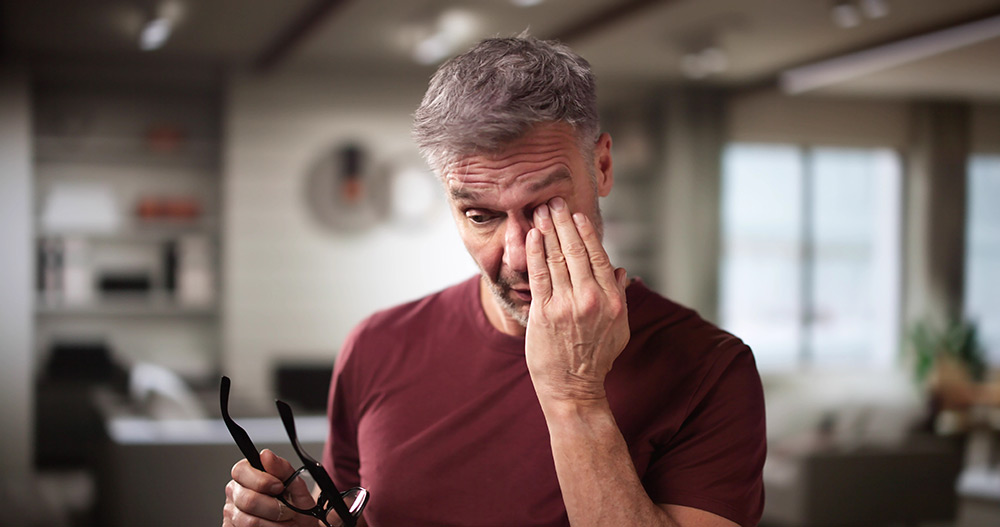
Not all eye bags are caused by tiredness; puffiness, pigmentation and skin laxity can all create a similar appearance.
What Causes Eye Bags?
Several factors can contribute to under-eye bags, and more than one cause is often involved at the same time. Understanding what is driving the change helps make treatment decisions more realistic and more effective.
Common causes of eye bags include:
- Natural ageing and weakened supporting tissues such as skin and muscle – this results in herniation of natural fat pads genetics and facial structure
- Fluid retention and salt intake
- Poor sleep and fatigue
- Allergies and sinus congestion
- Skin laxity around the lower eyelid
- Sun exposure and changes in skin quality
- Pigmentation or shadowing that creates a tired appearance
Supporting Under-Eye Puffiness at Home
Not every under-eye concern needs professional treatment. In some cases, simple changes in daily habits may help reduce temporary puffiness or make the area look less tired, particularly when swelling is linked to sleep, allergies or fluid retention.
Helpful ways to manage under-eye puffiness may include:
- Improving sleep quality and sleep position
- Managing allergies and sinus congestion
- Reducing excess salt intake where relevant
- Using a cool compress for temporary swelling
- Protecting the skin with daily sun protection
- Avoiding rubbing or irritation around the eyes
Common Mistakes People Make When Treating Eye Bags
Many people try to manage eye bags with quick fixes that do not match the actual cause of the concern. This often leads to frustration, especially when puffiness, pigmentation and structural changes are being treated as though they are the same issue.
Common mistakes include:
- Assuming all dark circles are eye bags
- Overusing active skincare around the eyes
- Expecting eye creams to fix structural concerns
- Ignoring allergies or fluid retention
- Treating pigmentation like puffiness
Can Skincare Actually Help?
Skincare can be helpful when the concern involves dryness, skin quality, mild pigmentation or barrier support. Gentle hydration, sun protection and avoiding unnecessary irritation can all improve the appearance of the under-eye area and help prevent the skin from looking more tired or stressed.
However, skincare has limits. If the concern is caused by deeper puffiness, prominent fat pads, significant laxity or facial structure, eye creams alone are unlikely to create meaningful change. This is where identifying the real cause becomes far more important than simply adding more products.
When Eye Bags May Need Professional Assessment
If under-eye puffiness is persistent, worsening or linked to changes in skin quality, pigmentation or under-eye texture, it may be worth having the area assessed properly. What appears to be simple tiredness can sometimes involve several overlapping factors that need a more tailored approach.
For some people, a professional assessment may help determine whether skin rejuvenation treatments are appropriate for supporting skin quality around the area. The focus should always be on understanding the cause first, rather than trying to chase quick fixes.
Treatment Options That May Be Considered
When eye bags are linked to more than temporary puffiness, treatment options depend on what is contributing to the under-eye appearance. Pigmentation, skin laxity, midface support and structural lower eyelid changes may all require different approaches, which is why assessment is important before deciding on treatment.
Options that may be discussed include:
- DyeVL Laser: May be considered where pigmentation or redness contributes to a darker under-eye appearance.
- Morpheus8: May help support collagen production and skin firmness where mild skin laxity is part of the concern.
- Biostimulator treatments: May be discussed where midface support contributes to under-eye hollowing or heaviness.
- Lower blepharoplasty: In more structural cases, lower blepharoplasty, with or without a midface lift, may be discussed as a more appropriate option than non-surgical skin treatments.
A Smarter Approach to Brighter-Looking Eyes
There is no single answer for how to get rid of eye bags because not all under-eye concerns are the same. Puffiness, pigmentation, hollowing and skin laxity can all create a similar appearance, but they need very different management.
Taking the time to identify what is actually causing the change leads to better decisions and more realistic expectations. If under-eye concerns are ongoing or difficult to manage, contact us to book a consultation and better understand the most suitable next step.
How to schedule a consultation
To book an appointment, please call us on 02 6059 0612, email us at admin@eclipsehs.com or book online via our website.
Find us here:
13 Yalandra Court
West Albury
NSW 2640
Australia
FAQs
Can eye bags go away on their own?
Temporary under-eye puffiness caused by poor sleep, allergies or fluid retention may improve on its own once the underlying cause settles. Structural eye bags related to ageing, skin laxity or facial anatomy are less likely to change without further management.
Are dark circles the same as eye bags?
Not always. Dark circles are often related to pigmentation, shadowing or visible blood vessels, while eye bags usually refer to puffiness, swelling or fullness beneath the eyes. The two can appear together, but they are not the same concern.
Why do I still have eye bags even when I sleep well?
Sleep is only one possible cause of under-eye puffiness. Genetics, allergies, skin laxity, facial structure and natural ageing can all contribute to eye bags, even when your sleep routine is consistent.
Can eye creams remove under-eye bags?
Eye creams may help with hydration, mild puffiness and skin quality, but they cannot correct structural concerns such as prominent fat pads, significant skin laxity or deeper hollowing. This is why identifying the real cause is important.
When should I seek professional advice for eye bags?
If under-eye puffiness is persistent, worsening or linked to pigmentation, skin texture changes or ongoing heaviness, professional assessment may help identify the cause more clearly and guide suitable next steps.

About The Author
Dr. Queenie Chan
Dr. Chan brings over a decade of extensive training and experience in Plastic Surgery, including prestigious fellowships in facial reanimation and breast reconstruction. Committed to serving her community, she has worked in disadvantaged regions across the Philippines and Cambodia, bringing essential healthcare to those in need. Now residing in rural Victoria, she continues her dedication to both her patients and personal pursuits, embodying a holistic approach to life and care.
Recent Posts

October 22, 2026

September 16, 2026
August 21, 2026
Acne Scars Explained: Different Types and What They Look Like


June 22, 2026
 Online Marketing For Doctors