
Glycolic Acid vs Salicylic Acid: Which Should You Use?
Last updated on May 29, 2026

When breakouts, dullness, uneven texture or post-acne marks start becoming more noticeable, most people begin with skincare. A quick search online brings endless advice about exfoliating acids, active ingredients and product recommendations, but it can also make things far more confusing. Two of the most commonly compared ingredients are glycolic acid and salicylic acid, yet they are often recommended for very different reasons.
Understanding glycolic acid vs salicylic acid starts with understanding your actual skin concern.
One may be more useful for congestion and oily skin, while the other may be better suited to uneven tone, texture or surface-level pigmentation. Choosing the right approach is less about following trends and more about treating what your skin is actually showing you.
What Is Glycolic Acid?
Glycolic acid is an alpha-hydroxy acid (AHA) that works mainly on the surface of the skin. It helps loosen and remove dead skin cells, which may improve dullness, rough texture and uneven skin tone over time. It is commonly included in skincare aimed at brighter-looking skin and smoother overall texture.
This type of exfoliation is often considered for concerns such as mild pigmentation, early fine lines, post-acne marks and skin that feels dry or less refreshed. Glycolic acid is generally more focused on visible surface changes rather than congestion deep within the pores.

Glycolic acid is often chosen for surface texture, brightness and mild pigmentation concerns.
What Is Salicylic Acid?
Salicylic acid is a beta-hydroxy acid (BHA) and works differently because it is oil-soluble. This allows it to move deeper into the pores, where it may help reduce congestion, excess oil and the buildup that contributes to blackheads and breakouts.
It is often used for oily or acne-prone skin, particularly where blocked pores, whiteheads or recurring breakouts are the main concern. Rather than focusing on brightness or surface texture, salicylic acid is usually chosen for clearer pore management and breakout control.
Glycolic Acid vs Salicylic Acid: What Is the Difference?
The main difference between glycolic acid and salicylic acid is where they work. Glycolic acid focuses more on the surface of the skin, helping with texture, dullness, mild pigmentation and overall skin tone, while salicylic acid works deeper inside the pores to target oil, congestion and acne-prone skin.
This means glycolic acid may be more suitable for smoother-looking skin and surface renewal, while salicylic acid is often better for managing breakouts and clogged pores. In some cases, both concerns exist at the same time, which is why treatment choices should be based on the skin itself rather than the popularity of a single ingredient.
When Is Glycolic Acid the Better Choice?
Glycolic acid may be more suitable when the goal is improving surface texture, brightness and overall skin tone rather than managing active congestion. It is often considered when the skin feels dull, uneven or less smooth than usual.
Common concerns where glycolic acid may be useful include:
- Dull or tired-looking skin
- Uneven skin tone
- Mild pigmentation concerns
- Fine lines and early texture changes
- Supporting smoother skin texture
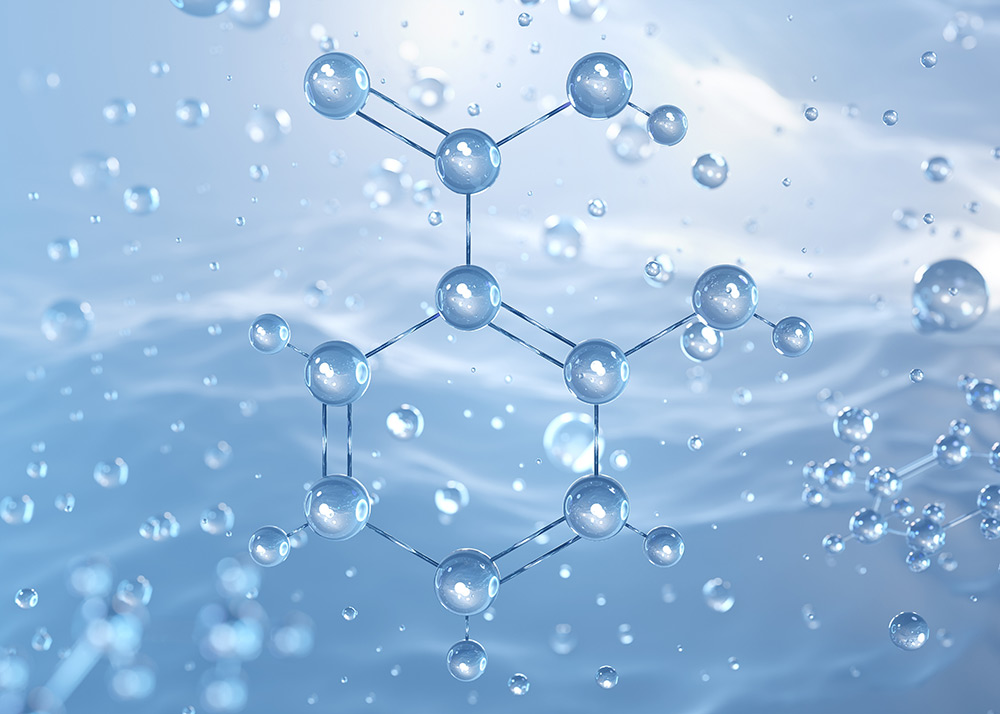
Salicylic acid may be more suitable for oily skin, congestion and recurring breakouts.
When Is Salicylic Acid the Better Choice?
Salicylic acid is often the better option when the main concern is oil, congestion or recurring breakouts. Because it works within the pores, it is commonly used for acne-prone skin that needs clearer pore management rather than surface exfoliation alone.
Common concerns where salicylic acid may be useful include:
- Oily skin
- Congested pores
- Blackheads and whiteheads
- Acne-prone skin
- Breakout management
Can You Use Glycolic Acid and Salicylic Acid Together?
Some people use both acids within the same routine, but more is not always better. Combining exfoliating ingredients too aggressively can disrupt the skin barrier, leading to dryness, irritation, sensitivity and sometimes worsening breakouts rather than improving them.
The right combination depends on skin type, barrier health and how reactive the skin already is. Introducing too many active ingredients at once often makes it harder to identify what is helping and what is causing irritation, which is why a simpler approach is often safer.
When Skincare Alone May Not Be Enough
Not every skin concern can be managed with over-the-counter products alone. Persistent acne, acne scarring, pigmentation, uneven texture or ongoing redness may need a more tailored approach, particularly when repeated home treatments are not creating meaningful improvement.
What appears to be simple breakouts may sometimes involve post-inflammatory pigmentation, deeper acne scarring or conditions such as rosacea that need a different treatment plan. In these cases, professional options such as Chemical Peel Treatment or broader Skin Rejuvenation Treatments may be considered after proper assessment, depending on skin type and suitability.
Choosing the Right Treatment for Clearer, Healthier Skin
The right skincare ingredient depends on the reason behind the concern, not simply what is trending online. Glycolic acid and salicylic acid both have their place, but they work best when matched to the correct skin issue rather than used interchangeably.
If your skin concerns are ongoing or you are unsure which approach is right for you, a personalised consultation can help you better understand what your skin needs. Contact us to learn more about suitable treatment options for your skin.
How to schedule a consultation
To book an appointment, please call us on 02 6059 0612, email us at admin@eclipsehs.com or book online via our website.
Find us here:
13 Yalandra Court
West Albury
NSW 2640
Australia
FAQs
Can glycolic acid help with acne scars?
Glycolic acid may help improve the appearance of post-acne marks and mild surface texture changes by supporting exfoliation and skin renewal. Deeper acne scarring often requires a different treatment approach and may benefit from professional assessment.
Is salicylic acid better for blackheads than glycolic acid?
Salicylic acid is often preferred for blackheads because it works deeper within the pores and helps manage congestion and excess oil. Glycolic acid is usually more focused on surface texture and uneven skin tone rather than blocked pores.
Can I use glycolic acid if I have dry skin?
Glycolic acid may be suitable for some people with dry skin, particularly where dullness or rough texture is the main concern. The strength, frequency and overall skin barrier health should always be considered to avoid irritation.
Why does my skin get worse after using exfoliating acids?
Overuse of active ingredients can disrupt the skin barrier and lead to dryness, irritation, breakouts or increased sensitivity. This is common when multiple acids are used too often or introduced too quickly.
Can chemical peels help if skincare products are not working?
Professional chemical peel treatment may be considered when persistent congestion, pigmentation or uneven texture is not improving with at-home skincare alone. Suitability depends on the skin concern, skin type and overall skin health.

About The Author
Dr. Queenie Chan
Dr. Chan brings over a decade of extensive training and experience in Plastic Surgery, including prestigious fellowships in facial reanimation and breast reconstruction. Committed to serving her community, she has worked in disadvantaged regions across the Philippines and Cambodia, bringing essential healthcare to those in need. Now residing in rural Victoria, she continues her dedication to both her patients and personal pursuits, embodying a holistic approach to life and care.
Recent Posts

October 22, 2026

September 16, 2026
August 21, 2026
Acne Scars Explained: Different Types and What They Look Like


June 22, 2026
 Online Marketing For Doctors