
Skin Rejuvenation and Resurfacing Treatments? Which to Choose?
Last updated on May 29, 2026
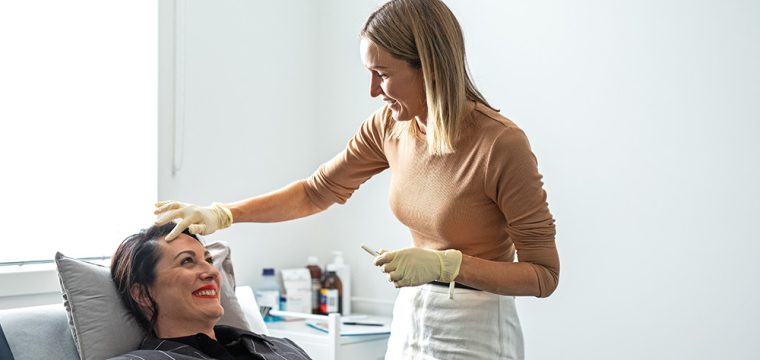
Changes in the skin rarely happen overnight. Uneven texture, pigmentation, acne scarring, fine lines and a gradual loss of firmness often develop over time, shaped by sun exposure, acne history, natural collagen decline and the normal ageing process. It is common for people to notice that their skin no longer looks as clear, smooth or balanced as it once did, but feel unsure which treatment approach actually suits the concern.
Skin rejuvenation and resurfacing are often discussed as though they mean the same thing, but they target very different skin concerns. Some treatments are designed to support collagen, firmness and overall skin quality, while others focus more on texture, pigmentation and visible surface changes. Understanding that difference is often the first step in choosing a treatment plan that makes sense for your skin.
What Is the Difference Between Skin Rejuvenation and Resurfacing?
Skin rejuvenation and resurfacing are often grouped together, but they focus on different aspects of skin health. Skin rejuvenation is generally aimed at improving overall skin quality by supporting collagen, firmness and tone, while skin resurfacing is more focused on the outer layers of the skin, helping to improve concerns such as pigmentation, rough texture, acne scarring, enlarged pores and visible sun damage.
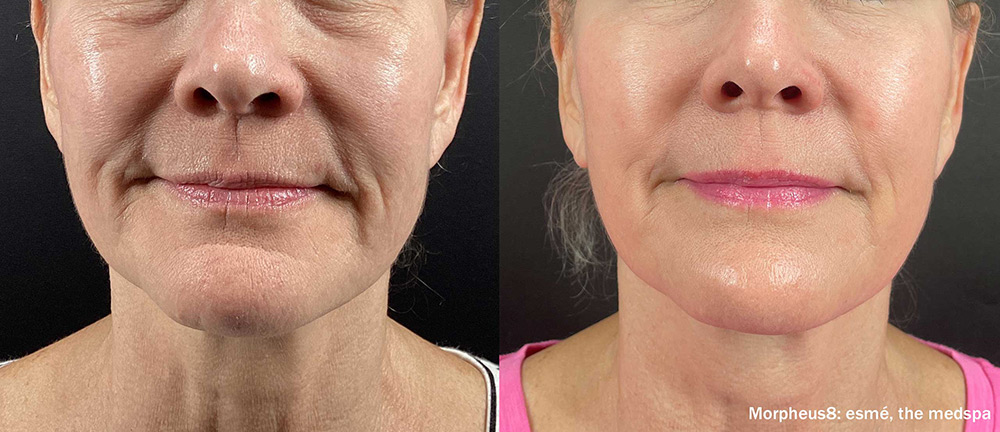
Skin resurfacing treatments are often used to improve texture and visible sun damage.
What Skin Concerns Can Skin Rejuvenation and Resurfacing Help With?
Different treatments may be recommended depending on whether the concern affects deeper skin structure, surface texture, or both. A professional assessment helps identify which approach is more suitable and whether combining treatments may be beneficial.
Resurfacing concerns include: pigmentation, redness, visible blood vessels (telangiectasia), acne, fine lines, early texture changes, enlarged pores and sun damage.
Rejuvenation concerns include : Skin laxity, creeping skin, volume loss, jowls, lower eye ‘bags’ and lower eye discolouration, scarring, wrinkles, poor skin texture and reduced firmness. Rejuvenation is akin to a well made mattress while resurfacing is the clean, smooth looking bedspread.
When is Skin Rejuvenation the Better Option?
Skin rejuvenation treatments may be more appropriate when the goal is to support skin quality from within rather than focusing only on the surface. This can include concerns such as mild laxity, early collagen loss, reduced firmness and skin that feels thinner, less resilient or generally less refreshed over time.
Treatments such as Morpheus8, Laser Skin Rejuvenation Platelet Rich Plasma (PRP) and biostimulator treatments may be considered where collagen stimulation and gradual skin support are the priority. These approaches are often used for facial skin rejuvenation, where the focus is on improving overall skin quality rather than treating one isolated concern.
When is Skin Resurfacing the Better Option?
Skin resurfacing may be more suitable when the main concern is visible on the surface of the skin. This often includes pigmentation changes, rough texture, acne scarring, enlarged pores and signs of sun damage that affect how smooth and even the skin appears.
Chemical peel treatment and resurfacing-focused laser treatments may be considered for these concerns, depending on skin type and sensitivity. The goal is often to improve texture and clarity while supporting a more even skin surface over time, rather than creating immediate, dramatic change.
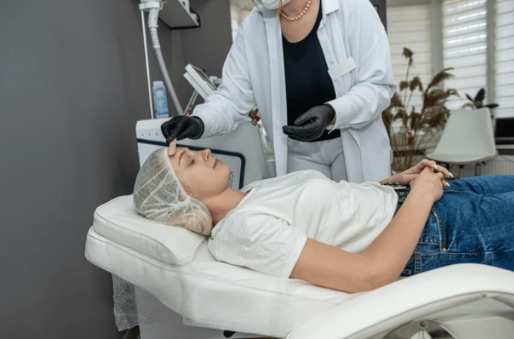
Skin resurfacing may be more suitable when the main concern is visible on the surface of the skin.
Can You Combine Rejuvenation and Resurfacing Treatments?
In many cases, treatment plans are not about choosing one or the other. Skin concerns often overlap, which means someone managing pigmentation and acne scarring may also have early laxity or collagen loss that benefits from a broader treatment approach.
Combining skin rejuvenation and resurfacing treatments may allow both deeper skin support and surface correction to be addressed together. The timing, intensity and suitability of combined treatments should always be guided by skin assessment, skin tolerance and recovery expectations rather than trying to treat everything at once.
How Do You Choose the Right Treatment for Your Skin?
Choosing the right treatment starts with understanding the cause of the concern rather than focusing only on what is visible. Pigmentation, redness, acne marks and textural changes can sometimes look similar, but they may require very different approaches depending on skin type, skin health and previous treatment history.
Lifestyle factors also matter. Recovery time, sun exposure, work commitments and skin sensitivity can all influence which skin rejuvenation treatments are appropriate. In Australia, where ongoing UV exposure is a major factor, careful planning around pigmentation management and skin protection is especially important.
Why Professional Assessment Matters Before Treatment
Online advice and social media recommendations can make treatments sound simple, but skin concerns are often more complex than they first appear. What looks like pigmentation may actually involve redness or vascular changes, and acne scarring may require a very different approach from post-inflammatory marks.
Professional assessment helps ensure the treatment plan is based on the actual skin concern rather than assumptions. This creates a safer and more realistic pathway, particularly for people considering Laser Skin Rejuvenation, RF Microneedling treatment or chemical peel treatment, where skin type and suitability should always be carefully assessed.
Choosing the Right Path for Healthier-Looking Skin
Skin rejuvenation and resurfacing are not competing treatments; they are different approaches designed to address different concerns. The best option depends on whether the focus is on texture, pigmentation, firmness, collagen support or a combination of several concerns working together.
Rather than choosing a treatment based on trends, it is more useful to start with a clear understanding of what your skin needs. A personalised consultation helps create a treatment plan that supports skin health safely, appropriately and with realistic expectations over time. If you would like to explore skin rejuvenation and resurfacing treatments further, contact us today to discuss the most suitable approach for your skin.
How to schedule a consultation
To book an appointment, please call us on 02 6059 0612, email us at admin@eclipsehs.com or book online via our website.
Find us here:
13 Yalandra Court
West Albury
NSW 2640
Australia
FAQs
Can skin rejuvenation and resurfacing help with acne marks?
Some acne marks may respond well to skin rejuvenation and resurfacing treatments, but it depends on whether the concern is active scarring, pigmentation, or post-inflammatory redness. A professional assessment helps determine the most suitable approach for your skin.
How long does it take to see results from skin rejuvenation treatments?
Results vary depending on the treatment and the skin concern being addressed. Some treatments may show gradual improvement over several weeks, while collagen-supporting treatments often develop more progressively over time.
Are skin rejuvenation treatments suitable for sensitive skin?
Some treatments may be suitable for sensitive skin, but this depends on the cause of sensitivity, skin barrier health and the specific treatment being considered. A personalised consultation helps identify safer options and appropriate treatment intensity.
Can skin rejuvenation help with enlarged pores?
Skin rejuvenation treatments may help improve the appearance of enlarged pores by supporting skin texture and overall skin quality. The most suitable option depends on whether pores are linked to oil production, acne history or textural change.
Is there a difference between skin rejuvenation for pigmentation and redness?
Yes, pigmentation and redness are different concerns and often require different treatment approaches. What appears to be uneven skin tone may involve pigmentation, vascular changes, or both, which is why accurate assessment is important before treatment.

About The Author
Dr. Queenie Chan
Dr. Chan brings over a decade of extensive training and experience in Plastic Surgery, including prestigious fellowships in facial reanimation and breast reconstruction. Committed to serving her community, she has worked in disadvantaged regions across the Philippines and Cambodia, bringing essential healthcare to those in need. Now residing in rural Victoria, she continues her dedication to both her patients and personal pursuits, embodying a holistic approach to life and care.
Recent Posts

October 22, 2026

September 16, 2026
August 21, 2026
Acne Scars Explained: Different Types and What They Look Like


June 22, 2026
 Online Marketing For Doctors