
Chemical Peel Benefits, Types and Recovery Explained
Last updated on October 16, 2026
Medically reviewed by Dr. Queenie Chan | Consultant Plastic Surgeon | Last updated on September 2026
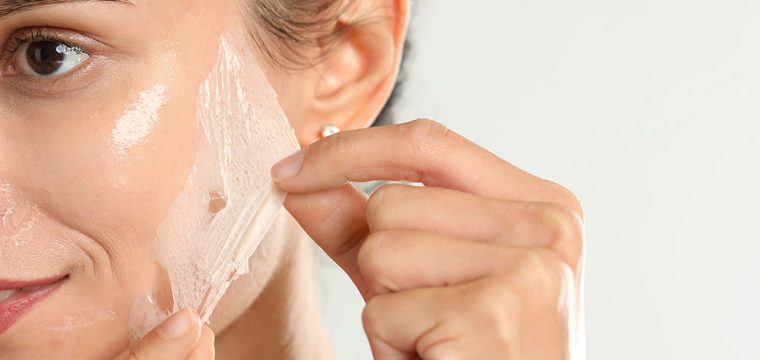
Chemical peels use carefully selected solutions to create a controlled exfoliating effect within the skin. Depending on the formulation and treatment depth, they may be considered for concerns such as dullness, rough texture, congestion, pigmentation or visible sun-related changes.
In this latest blog post, we explain the potential chemical peel benefits, how superficial, medium-depth and deep peels differ, and what the recovery period may involve. We also look at why a stronger peel is not automatically more suitable and why visible peeling alone does not determine the quality of the result.
The Three Main Types of Chemical Peels
The types of chemical peels are classified as superficial, medium-depth or deep according to how far they penetrate. This distinction is important because treatment depth influences the concerns that may be addressed, the extent of the expected skin response and the chemical peel recovery time.
Superficial Chemical Peels
Superficial peels work within the epidermis, which is the outermost layer of the skin. They may be selected for dullness, mild roughness, congestion and certain superficial pigment changes. The skin may feel dry or sensitive afterwards and can develop light flaking, although some superficial peels produce little visible shedding.
Medium-Depth Chemical Peels
Medium-depth peels extend through the epidermis and into the upper dermis. They may be considered for more established sun-related changes, pigmentation, fine surface lines or selected superficial scars. The stronger skin response is more likely to involve redness, swelling, temporary darkening and noticeable peeling, with a longer recovery than a superficial peel.
Deep Chemical Peels
Deep peels penetrate further into the dermis and are medical procedures requiring careful assessment, preparation and follow-up. They may be considered for selected advanced concerns, but they involve substantially more recovery and carry greater risks, including prolonged redness, pigment changes, infection and scarring. Some deep-peel formulations also require medical monitoring because their effects are not limited to the skin.
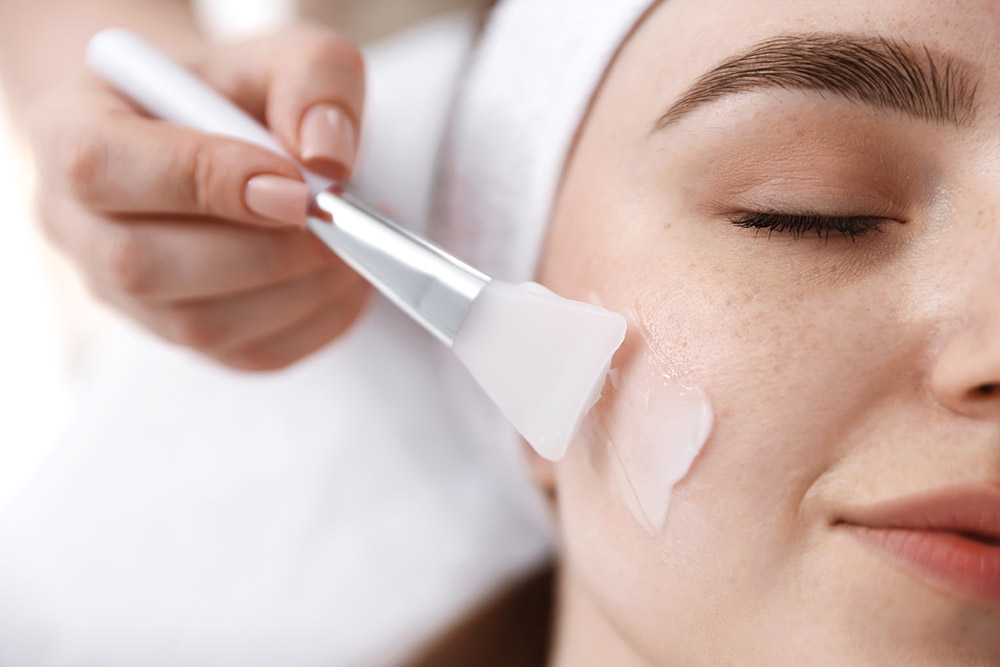
Superficial, medium and deep chemical peels work at different levels of the skin and involve different recovery periods.
Key Chemical Peel Benefits
The potential chemical peel benefits depend on the depth of treatment and the cause of the concern. A suitably selected peel may improve certain surface changes, but it cannot address every form of pigmentation, scarring, roughness or ageing.
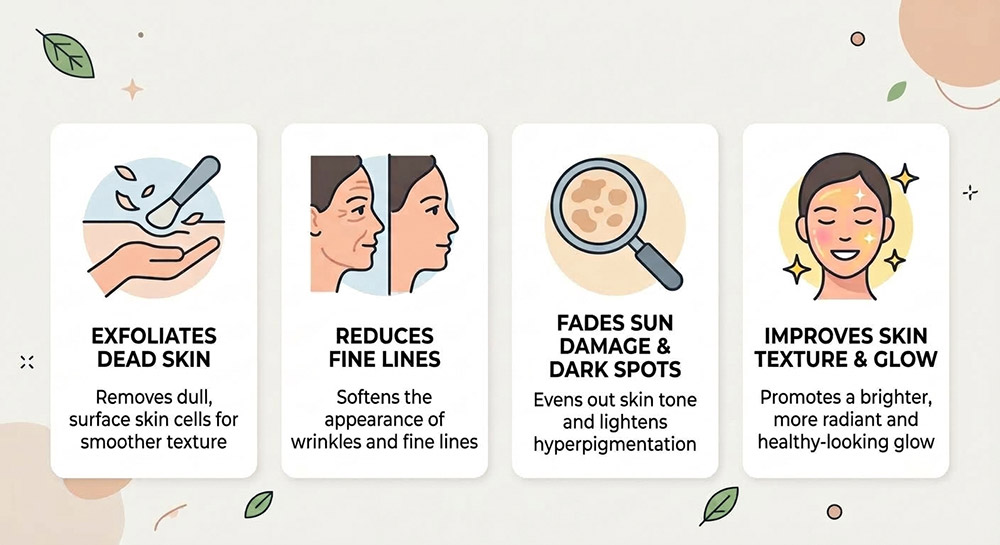
Smoother Skin Texture and a Brighter Surface
Accumulated surface cells can leave the skin looking dull or feeling rough. A superficial chemical peel may help refine this outer layer and support a smoother, fresher-looking surface as the skin renews. The degree of change depends on what is causing the texture, as deeper scars, enlarged pores and significant structural irregularities may not respond to surface exfoliation alone.
Pigmentation and Sun-Related Changes
Selected chemical peels may help reduce the appearance of superficial pigmentation and some visible signs of sun exposure by encouraging pigmented surface cells to shed. Pigmentation can arise at different depths and from different conditions, so accurate assessment is important. An unsuitable peel or inadequate sun protection may aggravate pigment changes, particularly in skin that is more prone to post-inflammatory hyperpigmentation.
Acne and Congestion
Certain superficial peels may be considered for acne-prone or congested skin because they can support exfoliation around blocked follicles and reduce accumulated surface debris. A chemical peel is not a complete treatment for every form of acne, particularly when deeper inflammatory lesions or hormonal factors are involved. Active irritation and the products or medications already being used must also be considered before treatment.
Fine Lines and Superficial Scarring
By supporting surface renewal, a chemical peel may soften the appearance of fine textural lines and selected shallow acne scars. Deeper lines and scars involve structural changes below the level reached by a light peel and may need a different treatment strategy. This distinction helps prevent unrealistic expectations about what peeling the outer skin can achieve.
Careful aftercare helps protect the healing skin while its barrier remains more sensitive following a peel.
Chemical Peel Recovery: What to Expect
Chemical peel recovery time varies according to the type and depth of the peel. Superficial treatments may cause mild dryness or flaking, while medium and deep peels involve a more noticeable skin response and longer recovery. The following timeline provides a general indication of the changes that may occur as the skin heals:
- First 24 Hours: The skin may feel warm, tight or sensitive and can appear pink or red, particularly after a medium or deep peel.
- Days 2 to 3: Dryness or light flaking may begin after a superficial peel, while medium-depth treatments can cause temporary darkening or tighter-feeling skin before more noticeable peeling develops.
- Days 4 to 7: Superficial flaking may be settling, while peeling after a medium-depth treatment can remain more extensive. Newly exposed skin may still appear pink and feel sensitive.
- Beyond the First Week: Most visible recovery from a superficial peel may be complete. Medium-depth recovery can extend to one or two weeks, while deep-peel recovery is measured in weeks and requires closer follow-up.
What Affects Chemical Peel Recovery Time?
Peel depth has the greatest influence on recovery, but the formulation, number of layers, treatment area, skin preparation and individual healing response also play a role. Recovery may take longer if the skin becomes irritated, picked or exposed to excessive heat and sunlight. Increasing pain, blistering, discharge or an unexpected change in colour should be reported to the clinic.
Looking After Your Skin During Chemical Peel Recovery
The skin barrier is temporarily more vulnerable after a chemical peel, so suitable aftercare plays an important role in supporting healing and reducing avoidable irritation, pigmentation changes and other complications. Instructions will depend on the depth of the peel but may include:
- Cleanse gently without scrubs, brushes or exfoliating cloths.
- Apply the recommended moisturising and barrier-supporting products.
- Use broad-spectrum sunscreen and limit direct sun exposure.
- Allow peeling skin to shed naturally without picking or rubbing it.
- Pause retinoids, exfoliating acids and other active products until advised.
- Avoid excessive heat, saunas and strenuous exercise during early recovery.
- Contact the clinic if the skin develops unexpected pain, blistering or signs of infection.
Selecting the Right Chemical Peel for Your Skin
The strongest peel is not automatically the most appropriate. A suitable treatment needs to reach the level of the concern without creating unnecessary risk or recovery. For some skin types and concerns, a lighter peel or a different treatment may provide a more appropriate balance.
At our clinic, we assess the skin, treatment history, medical factors and available recovery time before recommending a chemical peel. We can then explain which benefits may be realistic, what the recovery is likely to involve and which risks need to be considered before a decision is made.
How to schedule a consultation
To arrange an appointment, please call 02 6059 0612, contact us by email at ash.thedermalclinician@gmail.com or practicenursepip@gmail.com, or book online through our website.
Find us here:
13 Yalandra Court
West Albury
NSW 2640
Australia
FAQs
Are chemical peels safe for all skin types?
No chemical peel is automatically suitable for every skin type. The formulation and depth need to account for skin sensitivity, pigment response, medical history, active skin conditions and the concern being treated.
Does the skin need to peel visibly for a chemical peel to work?
No. A superficial peel may produce very little visible flaking while still creating a controlled exfoliating effect. The amount of shedding reflects the type and depth of treatment, but it does not provide a reliable measure of the eventual result.
How long does a chemical peel procedure take?
The appointment length depends on the skin preparation, peel formulation and whether the solution needs to be neutralised or removed. A superficial peel may be relatively brief, while deeper treatments require more preparation and monitoring.
Is a chemical peel painful?
A superficial peel may cause tingling, warmth or temporary stinging. Medium and deep peels create a stronger sensation, so what to expect and any appropriate comfort measures should be discussed before treatment.
How often should you have a chemical peel?
The interval between peels depends on the depth, treatment purpose and how the skin recovers. Superficial peels may be planned as a series, while medium and deep treatments require longer intervals and should not follow the same schedule.
How soon can you see chemical peel results?
The skin may look fresher once early dryness, flaking and sensitivity have settled. The timing and degree of change vary, and the result should not be judged while the skin is still actively peeling or recovering.
Can you wear makeup after a chemical peel?
Makeup may need to be avoided while the skin is actively peeling, sensitive or not fully intact. The appropriate time to restart depends on peel depth and how the skin is healing rather than a fixed number of days.
Should you stop using retinol before a chemical peel?
Retinoids and other active skincare products may need to be paused because they can affect sensitivity and peel penetration. The required interval depends on the product, its strength and the treatment planned, so current skincare should be reviewed before the peel.
Can chemical peels be combined with other skin treatments?
Chemical peels may form part of a broader skin plan, but procedures need to be spaced carefully. Treating the skin again before it has recovered may increase inflammation, barrier disruption and the risk of pigment changes.
Are at-home chemical peels the same as clinical peels?
No. A clinical peel includes skin assessment, controlled application and aftercare selected for the individual. Applying an unsuitable concentration or combining peeling products at home can cause burns, prolonged inflammation, pigment changes or scarring.

About The Author
Dr. Queenie Chan
Dr. Chan brings over a decade of extensive training and experience in Plastic Surgery, including prestigious fellowships in facial reanimation and breast reconstruction. Committed to serving her community, she has worked in disadvantaged regions across the Philippines and Cambodia, bringing essential healthcare to those in need. Now residing in rural Victoria, she continues her dedication to both her patients and personal pursuits, embodying a holistic approach to life and care.
Recent Posts

October 22, 2026

September 16, 2026

August 21, 2026
Acne Scars Explained: Different Types and What They Look Like


June 22, 2026
 Online Marketing For Doctors