
How to Repair Your Skin Barrier for Healthier, More Resilient Skin
Last updated on May 25, 2026

Your skin barrier plays an essential role in protecting your skin and maintaining overall skin health. When functioning properly, it helps retain moisture, defend against environmental stressors and support a balanced, resilient complexion. However, when the skin barrier becomes compromised, you may begin to notice dryness, sensitivity, redness or changes in texture.
Understanding how to repair your skin barrier is an important step in supporting long-term skin health. Many people unknowingly damage their skin barrier through everyday habits such as over-exfoliating, using harsh products or exposing their skin to environmental stress. In this latest blog, we explore what the skin barrier is, what causes damage and how to repair your skin barrier effectively.
What is the Skin Barrier?
The skin barrier is the outermost layer of the skin, responsible for retaining moisture and protecting against environmental irritants. When this protective layer is healthy, the skin is better able to stay hydrated, balanced and resilient. If the skin barrier becomes compromised, moisture can escape more easily, and the skin may become dry, sensitive or prone to irritation, making barrier repair an important part of maintaining overall skin health.
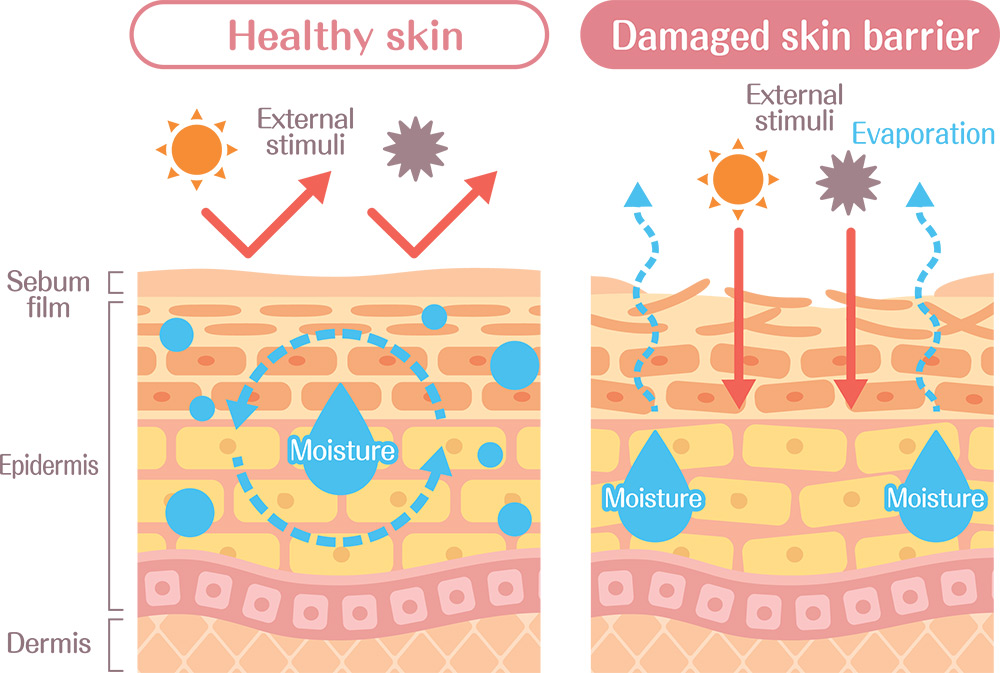
A healthy skin barrier plays an important role in maintaining balanced, hydrated skin.
What Causes Skin Barrier Damage?
There are several factors that may contribute to a damaged or compromised skin barrier. In many cases, it is not one single cause but a combination of influences that gradually weaken the skin’s protective layer.
Common causes of skin barrier damage may include:
- Over-exfoliation or frequent use of active ingredients
- Harsh cleansers or skincare products
- Sun exposure and environmental stress
- Cold weather or low humidity
- Dehydration
- Natural ageing and reduced skin lipid production
- Underlying skin conditions such as rosacea, eczema or acne
Modern skincare routines can sometimes include multiple active ingredients, which may increase the risk of skin barrier damage if not used carefully. When too many actives are layered together, the skin may become overwhelmed, leading to irritation and compromised skin barrier function.
Signs Your Skin Barrier May Be Damaged
A damaged skin barrier can present in several different ways, and these changes may develop gradually or appear following changes in skincare routines, environmental exposure or skin stress. When the barrier is compromised, the skin may struggle to retain moisture and protect itself, which can lead to a range of noticeable symptoms.
Common signs of a compromised skin barrier may include:
- Dryness or dehydration
- Increased sensitivity
- Redness or irritation
- Tight or uncomfortable skin
- Flaking or rough texture
- Breakouts or congestion
- Uneven skin texture
How to Repair Your Skin Barrier
If your skin barrier has become compromised, the goal is to reduce irritation and support the skin’s natural repair process. Repairing the skin barrier often involves simplifying your routine and focusing on gentle, supportive skincare.
Simplify Your Skincare Routine
When repairing a damaged skin barrier, reducing the number of active ingredients and avoiding harsh products may help minimise further irritation. Gentle cleansers, fragrance-free formulations and barrier-supporting moisturisers can help create a more supportive environment for skin recovery while temporarily reducing exfoliation.
Focus on Hydration and Barrier Support
Hydration plays an important role in skin barrier repair, as well-hydrated skin is better able to maintain its protective function. Ingredients such as ceramides, hyaluronic acid, glycerin and niacinamide may help support moisture retention and improve overall skin barrier function when used consistently.
Protect Your Skin From Further Damage
Preventing additional irritation is essential while repairing the skin barrier. Avoiding excessive exfoliation, using gentle skincare products and protecting the skin from sun exposure can help reduce stress on the skin and support the natural repair process.
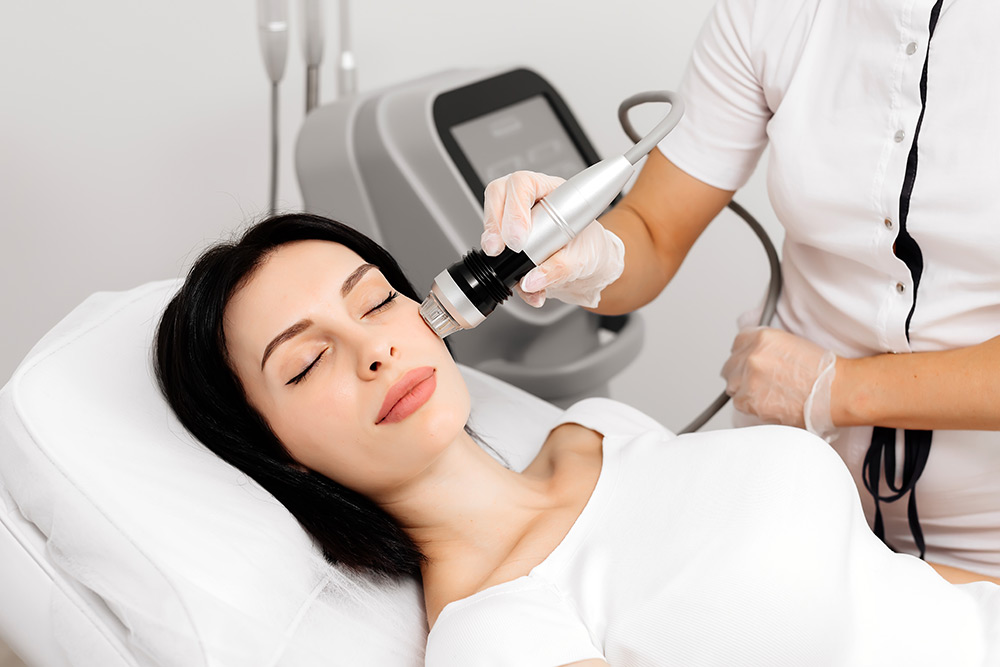
Hydration plays an important role in supporting overall skin barrier health.
How Long Does it Take to Repair the Skin Barrier?
The time required to repair the skin barrier varies depending on the severity of the damage and individual skin characteristics. Some people may notice improvements within a few weeks, while more compromised skin barriers may take longer to recover. Consistency with gentle skincare and avoiding further irritation can help support skin barrier recovery over time.
When to Consider Professional Skin Support
If your skin barrier remains compromised despite simplifying your skincare routine, professional guidance may be beneficial. Persistent dryness, sensitivity or ongoing irritation may indicate underlying skin concerns that require a more tailored approach.
A professional skin assessment can help identify factors contributing to skin barrier damage and determine which strategies may best support skin barrier recovery, particularly for sensitive or reactive skin.
Professional Treatments That May Support Skin Barrier Recovery
In some cases, professional treatments may be considered to support overall skin health and skin barrier recovery, particularly where the skin remains compromised despite gentle skincare adjustments. A professional skin assessment helps determine the most appropriate approach, as treatment selection will depend on your individual skin type, concerns and skin sensitivity.
Potential treatments that may be discussed include:
- Skin rejuvenation treatments: Designed to support overall skin health, hydration and skin quality, which may help improve skin barrier function over time.
- dyeVL – to address pigment, redness and improve skin quality
- Laser skin rejuvenation treatment: May be considered in selected cases to support skin quality and address environmental stress or uneven skin texture contributing to barrier concerns.
- RF microneedling treatment: May support overall skin resilience and skin quality, depending on individual skin needs and tolerance.
How to Maintain a Healthy Skin Barrier Long Term
Maintaining a healthy skin barrier involves consistent, gentle skincare habits and avoiding unnecessary irritation. Over time, small adjustments to your routine can help support long-term skin barrier health.
Helpful habits may include:
- Using gentle cleansers
- Maintaining consistent hydration
- Avoiding over-exfoliation
- Applying daily sun protection
- Introducing active ingredients gradually
- Keeping skincare routines simple and consistent
Supporting skin barrier health is often an ongoing process. By maintaining a balanced routine and responding to your skin’s needs, you can help reduce the risk of future skin barrier damage.
Final Thoughts
Your skin barrier plays an important role in maintaining healthy, balanced skin. When the barrier becomes compromised, symptoms such as dryness, sensitivity and irritation may develop, making it important to focus on gentle, supportive care and consistent skincare habits.
If you are unsure whether your skin barrier may be compromised or would like guidance on improving overall skin health, contact us today to arrange a professional skin assessment. A personalised consultation can help determine the most appropriate approach for your individual skin concerns.
How to schedule a consultation
To book an appointment, please call us on 02 6059 0612, email us at admin@eclipsehs.com or book online via our website.
Find us here:
13 Yalandra Court
West Albury
NSW 2640
Australia
FAQs
Can a damaged skin barrier cause breakouts?
Yes, a compromised skin barrier may contribute to breakouts. When the skin barrier is weakened, the skin can become more sensitive and reactive, which may lead to congestion, irritation or changes in oil production that contribute to breakouts.
Should you stop using active ingredients if your skin barrier is damaged?
In many cases, temporarily reducing or pausing active ingredients may help support skin barrier recovery. Simplifying your skincare routine and focusing on gentle, hydrating products may allow the skin to repair more effectively.
Can weather and environmental factors affect your skin barrier?
Environmental factors such as sun exposure, wind, cold temperatures and low humidity may affect skin barrier function. These conditions can reduce moisture levels in the skin, making it more vulnerable to dryness and sensitivity.
Can sensitive skin mean your skin barrier is compromised?
Sensitive skin may sometimes indicate a weakened skin barrier, particularly if sensitivity develops suddenly or worsens over time. A compromised barrier may make the skin more reactive to skincare products and environmental changes.
Can professional skin assessments help identify skin barrier issues?
A professional skin assessment may help identify signs of skin barrier damage and determine factors contributing to skin sensitivity or dryness. This can help guide skincare adjustments or determine whether professional treatments may be appropriate.

About The Author
Dr. Queenie Chan
Dr. Chan brings over a decade of extensive training and experience in Plastic Surgery, including prestigious fellowships in facial reanimation and breast reconstruction. Committed to serving her community, she has worked in disadvantaged regions across the Philippines and Cambodia, bringing essential healthcare to those in need. Now residing in rural Victoria, she continues her dedication to both her patients and personal pursuits, embodying a holistic approach to life and care.
Recent Posts

October 22, 2026
September 16, 2026
August 21, 2026
Acne Scars Explained: Different Types and What They Look Like


June 22, 2026
 Online Marketing For Doctors