
Is It Rosacea? How to Spot the Symptoms Early
Last updated on December 1, 2025
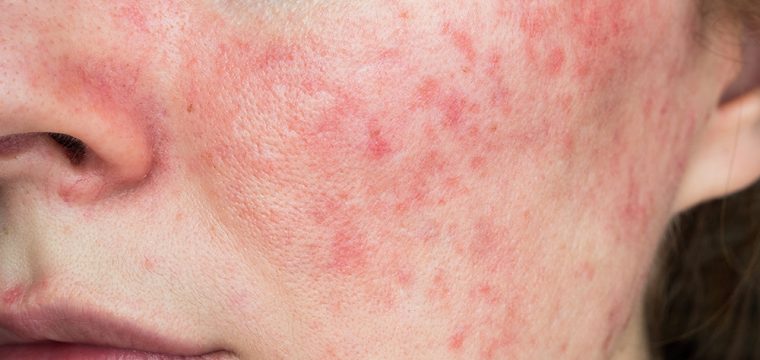
Facial redness can appear for many reasons, including temperature changes, stress, or certain skincare products. When that redness starts occurring more frequently or takes longer to fade, it may signal something more persistent. These are often the first indications of rosacea, a chronic skin condition that can easily be mistaken for sensitivity or irritation in its early stages.
Recognising rosacea symptoms early allows for more effective management. Understanding what is happening beneath the surface helps reduce flare-ups, protect the skin barrier and prevent symptoms from becoming more noticeable over time.
Understanding Early Rosacea Symptoms
Rosacea often begins subtly, with occasional flushing that appears across the cheeks, nose, or forehead. These early signs of rosacea may come and go, often mistaken for sunburn or general skin sensitivity. Over time, the redness can last longer after each episode, eventually becoming constant. Some people also notice their skin feels warm, dry, or prone to stinging.
Recognising these initial changes is key, as rosacea symptoms tend to progress gradually. Addressing the condition early gives the best chance of maintaining calmer, more balanced skin over time.
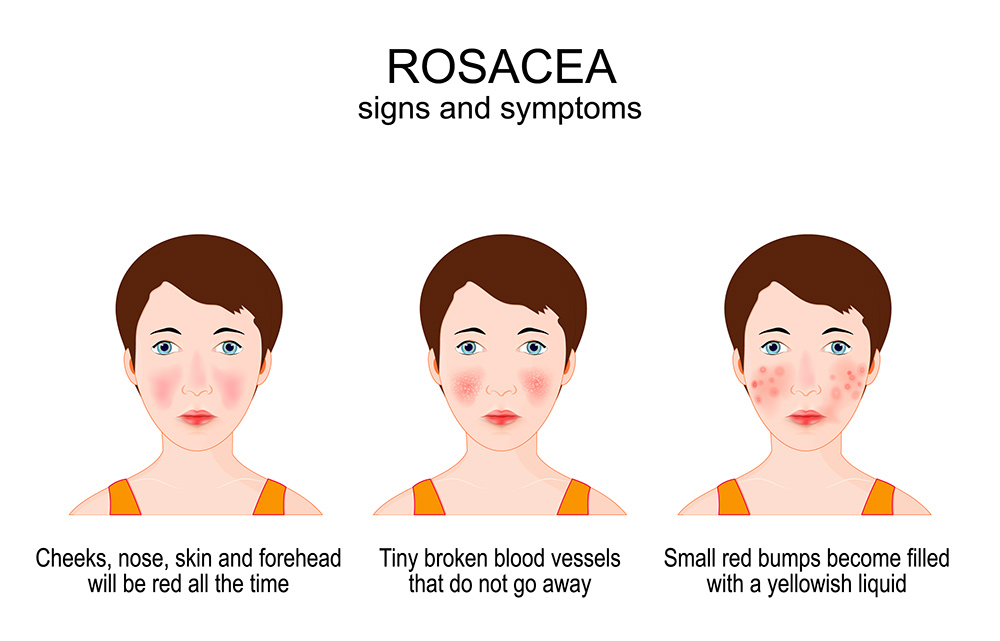
Subtle redness across the cheeks and nose is often one of the first visible rosacea symptoms.
Recognising the Early Warning Signs
While rosacea affects everyone differently, several hallmark symptoms often appear in the early stages:
- Persistent facial redness: Ongoing redness across the nose, cheeks, chin, or forehead that doesn’t fade easily.
- Flushing or warmth: A sensation of heat or blushing that appears suddenly and lasts longer than usual.
- Visible capillaries: Fine red or purple veins that become noticeable on the surface of the skin.
- Increased skin sensitivity: Burning, tingling, or dryness when applying skincare or during temperature changes.
- Bumpy or uneven texture: In some cases, small red bumps or rough patches may appear alongside redness.
These rosacea symptoms can vary in severity, but they often share one thing in common: a gradual increase in frequency and visibility if left unmanaged.
What Rosacea Looks Like at Different Stages
Rosacea tends to progress through identifiable phases, though not everyone will experience each stage:
- Mild (early stage): Occasional redness or flushing that comes and goes, often mistaken for sensitive skin.
- Moderate: Redness becomes more consistent, and visible blood vessels or bumps may begin to appear.
- Severe: Skin thickening and pronounced inflammation, sometimes affecting the nose (a condition called rhinophyma).
By paying attention to these changes, individuals can take proactive steps to manage symptoms before they reach the more advanced stages.
Rosacea vs Other Skin Conditions
Because rosacea symptoms can resemble acne, eczema, or allergic reactions, it’s not uncommon for people to misdiagnose themselves. Acne usually presents with blackheads and whiteheads, while rosacea does not. Eczema often causes itchiness and scaling, whereas rosacea typically causes redness and burning.
If redness persists despite skincare adjustments, a professional skin assessment can help confirm whether rosacea is the cause and rule out other underlying conditions.
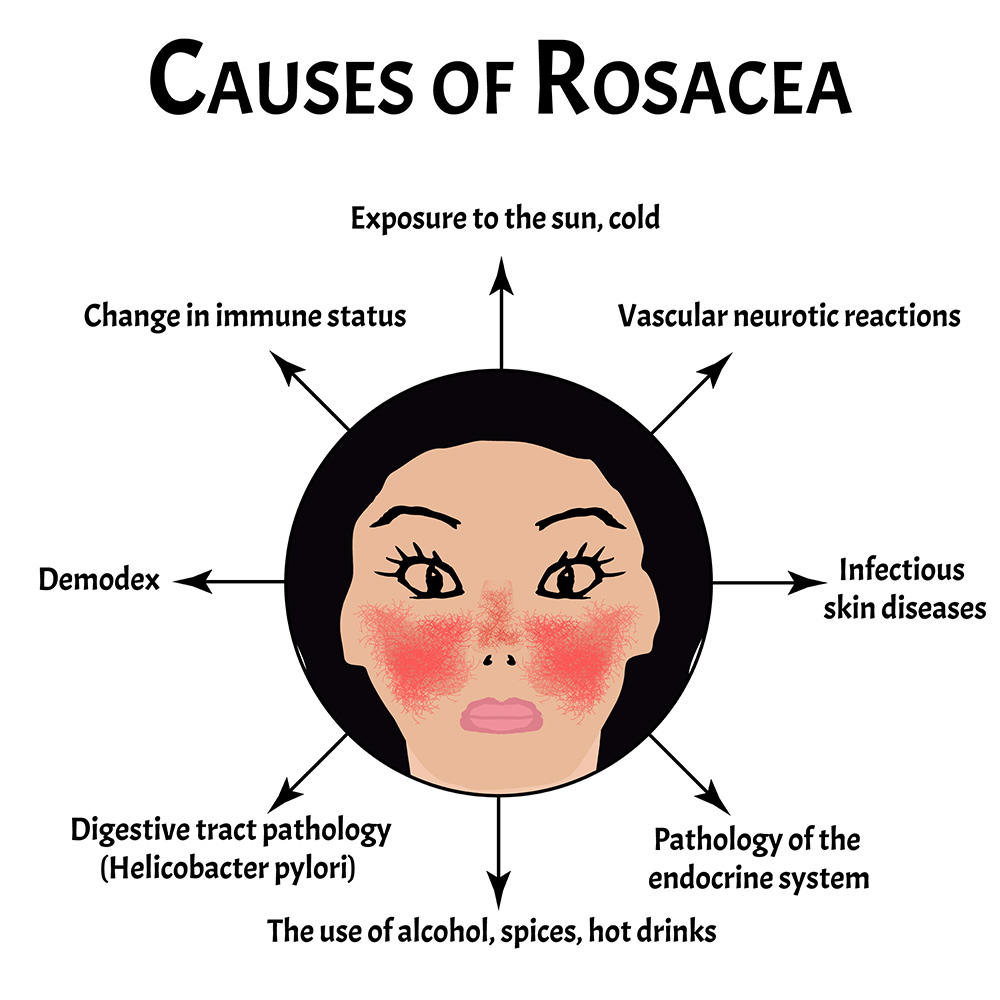
Persistent flushing and visible capillaries are key signs that rosacea symptoms may be developing.
Common Rosacea Triggers to Watch Out For
Certain triggers can cause rosacea flare-ups or make symptoms more noticeable. While triggers differ for each person, common ones include:
- Sun exposure: Ultraviolet rays are a leading cause of skin inflammation and redness.
- Heat or temperature changes: Hot weather, saunas, or spicy meals can dilate blood vessels.
- Stress and exertion: Emotional tension and strenuous exercise can both worsen facial flushing.
- Alcohol and spicy foods: These increase blood flow to the surface of the skin, intensifying redness.
- Harsh skincare products: Ingredients such as alcohol, fragrance, or strong acids can irritate sensitive skin.
When to See a Skin Professional
If you notice persistent redness, visible capillaries, or sensitivity that doesn’t respond to changes in your skincare routine, it’s time to seek professional advice. Early diagnosis helps to rule out other conditions and establish a management plan that suits your skin type. A qualified skin professional can identify the underlying factors contributing to rosacea symptoms and recommend tailored strategies for long-term care.
Professional Options for Managing Rosacea
While rosacea cannot be cured, there are professional options that can help minimise visible redness and restore comfort to the skin. Avoiding triggers and using an appropriate active skin care program daily is a must. Anti-inflammatory creams can help. Non-invasive treatments such as the Alma Harmony Dye VL can be used to target facial redness and support a more balanced complexion. A short course of antibiotics may sometimes be needed to tamper the inflammatory response in your skin.
These treatments work by calming inflammation and reducing the appearance of visible blood vessels, helping to support the skin’s natural barrier rather than disrupt it. When combined with consistent at-home care (including gentle skincare, daily sun protection and awareness of personal triggers), they offer a balanced and effective way to keep rosacea flare-ups under control.
Final Thoughts
Recognising rosacea symptoms early allows for more effective management and improved skin health in the long run. While lifestyle adjustments can help, professional guidance ensures your skin receives the right care and protection it needs. If you’re experiencing persistent redness or sensitivity, consider arranging an assessment to determine whether rosacea may be the cause and discuss suitable care options for your skin.
How to schedule a consultation
To book an appointment, please call us on 02 6059 0612, email us at admin@eclipsehs.com or book online via our website.
Find us here:
13 Yalandra Court
West Albury
NSW 2640
Australia
FAQs
How do you know if you have rosacea?
Rosacea often presents as recurring redness across the cheeks, nose, or forehead that doesn’t fully fade. If you notice persistent flushing or visible capillaries, it’s best to seek a professional skin assessment for confirmation.
Can rosacea go away on its own?
Rosacea is a chronic skin condition, so symptoms rarely disappear completely without professional management. However, identifying triggers and following a consistent care routine can help reduce flare-ups over time.
What triggers rosacea flare-ups?
Common triggers include sunlight, temperature changes, spicy foods, alcohol and stress. Recognising and avoiding your personal triggers can make a major difference in controlling rosacea symptoms.
Does rosacea get worse with age?
Rosacea can become more noticeable over time if left untreated. Early management and consistent care help prevent redness and visible vessels from progressing.
What does mild rosacea look like?
Mild rosacea often appears as intermittent redness or flushing that looks similar to a light sunburn. The redness may come and go, but tends to return more frequently as the condition develops.
Can rosacea cause burning or stinging sensations?
Yes, many people experience warmth, burning, or stinging, especially when applying skincare products or during weather changes. These sensations occur because rosacea makes the skin more reactive and sensitive.
What is the difference between rosacea and sensitive skin?
Sensitive skin can react temporarily to products or weather, while rosacea causes persistent redness and visible blood vessels. A professional evaluation can help determine whether the symptoms indicate rosacea or general sensitivity.
How can I calm rosacea redness naturally?
Using fragrance-free, gentle skincare and applying daily sunscreen can help soothe redness. Staying cool, managing stress and avoiding known irritants also support calmer, more balanced skin.

About The Author
Dr. Queenie Chan
Dr. Chan brings over a decade of extensive training and experience in Plastic Surgery, including prestigious fellowships in facial reanimation and breast reconstruction. Committed to serving her community, she has worked in disadvantaged regions across the Philippines and Cambodia, bringing essential healthcare to those in need. Now residing in rural Victoria, she continues her dedication to both her patients and personal pursuits, embodying a holistic approach to life and care.
Recent Posts

October 22, 2026

September 16, 2026
August 21, 2026
Acne Scars Explained: Different Types and What They Look Like


June 22, 2026
 Online Marketing For Doctors