
Uneven skin tone is a common concern that can make the complexion appear blotchy, dull or inconsistent in colour. Changes in tone may develop gradually over time and are often linked to natural processes within the skin or environmental exposure.
At Dr Queenie Chan’s clinic, a range of evidence-based, non-surgical treatments are available to help restore colour balance and support a more uniform complexion. Each treatment plan is tailored to your individual skin condition and guided by medical assessment to help achieve optimal care for your skin.
What Is Uneven Skin Tone
Uneven skin tone refers to variations in the colour of the skin’s surface, such as redness, blotchiness or areas that appear darker or duller than the surrounding skin. These irregularities often result from changes in melanin activity, environmental stressors or general skin sensitivity.
While uneven tone differs from hyperpigmentation, which presents as distinct dark patches, both conditions can affect overall clarity. Professional skin tone correction treatments can help improve radiance and achieve a more balanced appearance over time.
What Causes Uneven Skin Tone
Uneven skin tone can occur for several reasons. Common contributing factors include:
- Sun exposure: Prolonged UV exposure can overstimulate pigment cells, leading to blotchiness and skin discolouration.
- Hormonal changes: Fluctuations in hormone levels can cause general tone imbalance or patchy colour variation.
- Post-inflammatory discolouration: Redness or uneven tone may remain after acne, irritation or skin inflammation.
- Ageing and slower cell turnover: Reduced renewal activity may lead to a dull skin tone or sallow appearance.
- Environmental and lifestyle factors: Stress, dehydration, and pollution can all affect the brightness and balance of the complexion.
Struggling with Uneven Skin Tone?
Book a Consultation with Dr Queenie Today?
Tips to Help Prevent Uneven Skin Tone
While professional treatments can help correct uneven skin tone, daily care also plays an important role in prevention and maintenance.
- Daily sunscreen use: Broad-spectrum protection reduces the impact of UV exposure and helps prevent further discolouration.
- Gentle cleansing and moisturising: Maintains the skin barrier and minimises redness or sensitivity.
- Antioxidant-rich skincare: Vitamin C and niacinamide can help brighten and protect against oxidative stress.
- Avoid harsh scrubs: Over-exfoliation can irritate the skin and increase blotchiness.
- Regular professional care: Periodic treatments can help sustain tone balance and long-term skin clarity.
Uneven Skin Tone Treatment Options
Treatment selection depends on the underlying cause of tone irregularity and the individual’s skin condition. At Dr Queenie Chan’s clinic, three evidence-based options are available to improve uneven complexion and restore natural brightness. Often, a combination treatment program using some of the strategies below offers the best result.
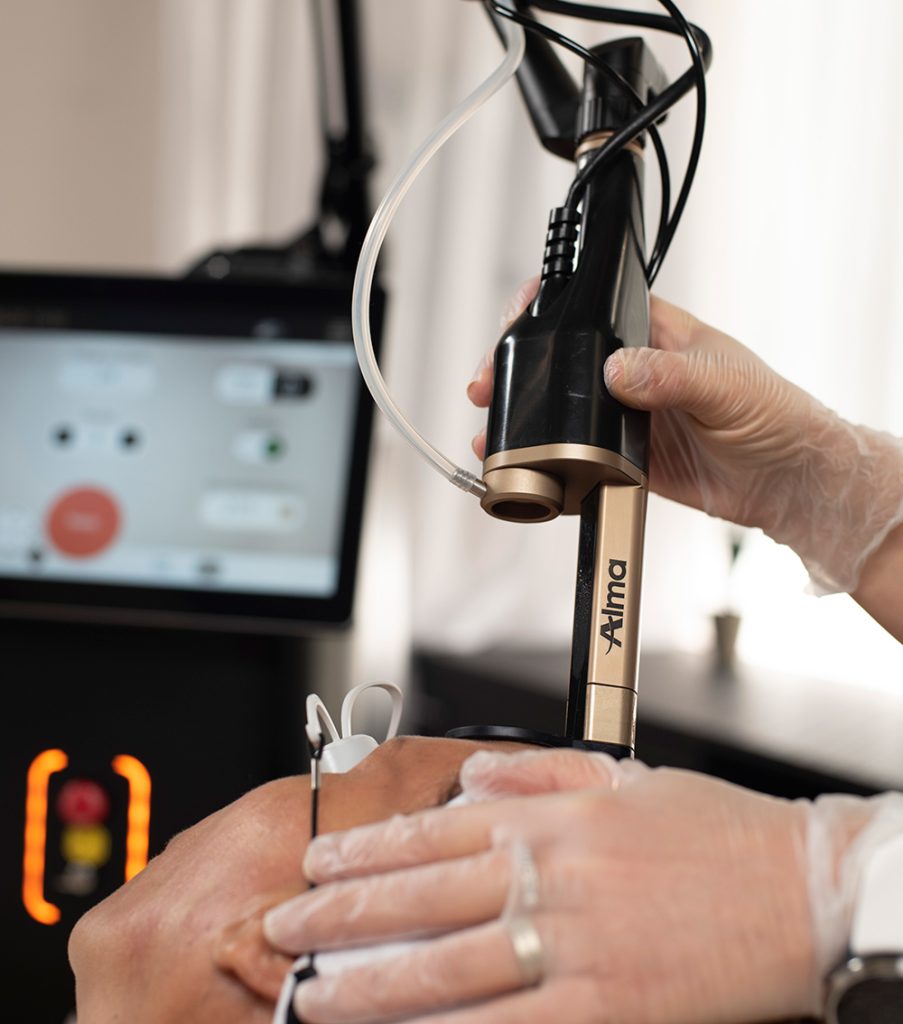
Alma Hybrid Laser
The Alma Hybrid Laser combines ablative and non-ablative wavelengths to target uneven pigmentation, sun-related discolouration and dull skin tone. This dual-energy system helps renew the skin at multiple depths, encouraging a smoother, more balanced tone while supporting overall skin health.
Laser Skin Rejuvenation Treatment
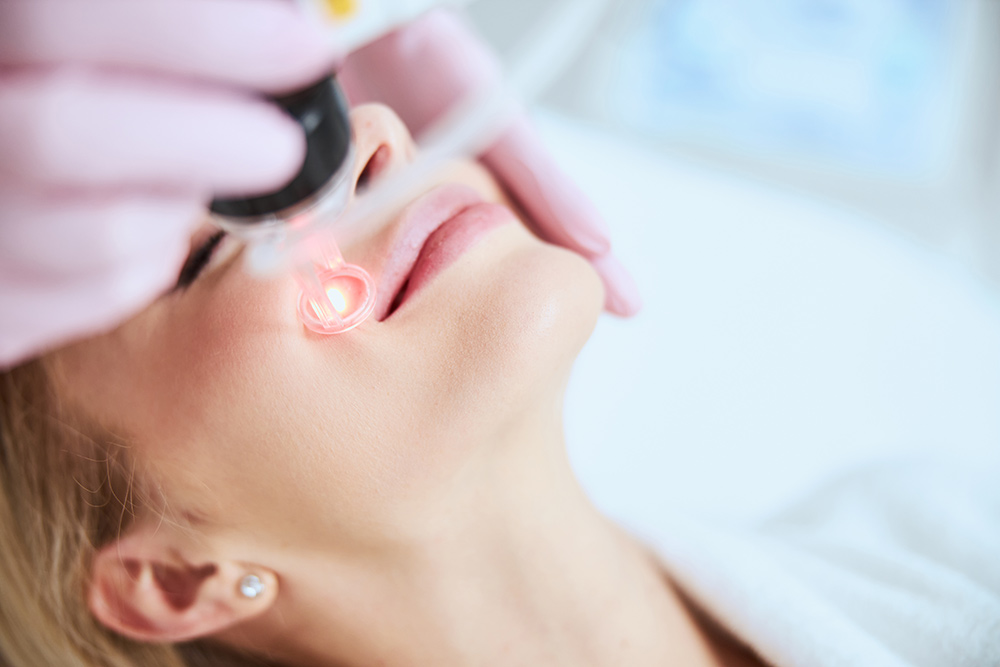
Laser Skin Rejuvenation uses controlled light energy to reduce mild pigmentation, redness and colour variation. It is suitable for patients seeking a gradual improvement in tone uniformity and is performed by trained medical professionals using advanced technology designed for precision and comfort.
RF Microneedling
RF Microneedling helps improve uneven skin tone by targeting deeper layers of the skin without damaging the surface. This makes it a safe and effective option for all skin types, including darker skin tones, as it reduces the risk of post-inflammatory hyperpigmentation. It also enhances overall skin texture and firmness, offering a gentle yet powerful solution for pigmentation irregularities.
Chemical Peel Treatment
Chemical Peel Treatment involves the application of clinically formulated solutions that exfoliate the upper layers of the skin. This process removes dull surface cells, refines uneven tone and helps reveal a clearer, brighter complexion. Peels can be customised in strength and frequency to suit different skin types.
Biostimulator Injection
Biostimulator injections containing hyaluronic acid and polynucleotides work to improve uneven skin tone by deeply hydrating the skin and supporting natural tissue repair. Hyaluronic acid restores moisture and enhances skin plumpness, while polynucleotides stimulate cell regeneration and improve overall skin quality. Together, they help brighten dull areas, smooth pigmentation irregularities, and promote a healthier, more even complexion over time.
PRP Treatment
PRP (Platelet-Rich Plasma) treatment improves uneven skin tone by using your body’s own growth factors to stimulate cellular repair and regeneration. When injected or applied during skin needling, PRP enhances collagen production, boosts skin healing, and reduces inflammation—helping to fade areas of pigmentation and brighten the overall complexion. Over a series of treatments, the skin becomes more even, radiant, and healthy-looking.
Uneven Skin Tone Treatments at Our Clinic
All treatment plans at Dr Queenie Chan’s clinic begin with a detailed consultation and professional skin assessment. This ensures every approach is tailored to your skin tone, texture and overall condition.
Consultation
During your consultation, the team will assess the degree of uneven tone, identify contributing factors and recommend a suitable treatment pathway. Each plan is personalised to your skin goals and medical profile.
Procedure
Treatments are performed using non-surgical techniques and medical-grade equipment in a controlled clinical environment. The selected method will depend on your specific tone concerns and desired level of correction.
Results
Improvement in skin tone develops progressively, with most patients noticing a clearer, more balanced complexion over a series of sessions. Regular maintenance and appropriate skincare can support continued improvement.
Recovery
Mild redness, flaking or sensitivity may occur following laser or chemical peel treatments. Detailed aftercare instructions are provided to help maintain comfort and protect the skin during recovery.
Possible Risks or Side Effects
Uneven skin tone treatments such as laser resurfacing and chemical peels are generally well-tolerated, though some temporary effects can occur as the skin renews.
- Mild redness or swelling
- Temporary dryness or flaking
- Short-term pigment variation
- Increased photosensitivity
- Rare risk of irritation or infection
Any potential risks will be discussed during your consultation before treatment begins, ensuring you have all the information needed to make an informed decision about your care.
Why Choose Us for Your Uneven Skin Tone Treatment
Choosing the right clinic for skin tone correction ensures that your treatment is safe, medically guided and based on proven results. At Dr Queenie Chan’s clinic, patient care and scientific precision are at the core of every service.
- Medical-led, evidence-based approach for all skin treatments
- Comprehensive assessment and personalised treatment plans
- Access to advanced technology, including the Alma Hybrid Laser and professional-grade resurfacing systems
- Treatments designed for safety, precision and suitability across different skin types
- Ongoing guidance and aftercare to maintain tone balance and promote long-term results
Meet The Team
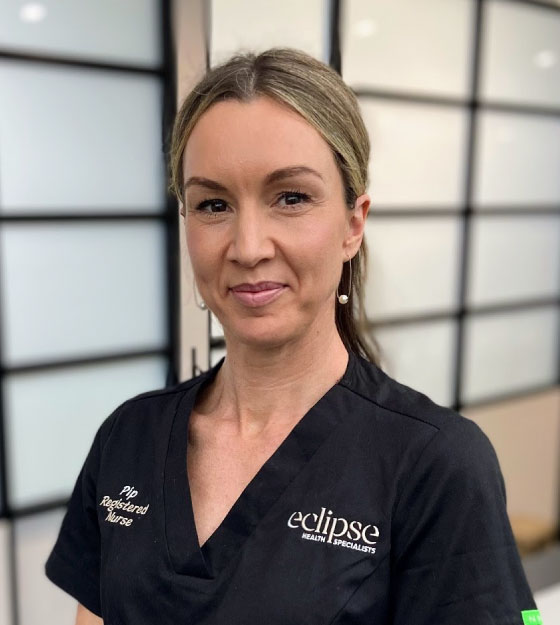
Pip Pitson – Aesthetic Practice Nurse
Pip is here to look after your aesthetic concerns. Whether it is anti-wrinkle, filler injections or radiofrequency skin rejuvenation treatments you are after, Pip will be able to guide you through the myriad of options and provide you with a comprehensive skin care program that works for you. Pip also has a background in burns, plastics and reconstructive surgery nursing and enjoys anything wound related.
Ash Birrell – Dermal Therapist
Ash Birrell is an experienced dermal therapist with a special interest in treating a wide range of skin concerns. Her areas of expertise include pigmented lesions, scarring, rosacea, acne, and anti-ageing treatments. With a personalised, evidence-based approach, Ash is passionate about helping clients achieve clearer, healthier, and more radiant skin. She is known for her caring nature, attention to detail, and commitment to delivering natural-looking results through advanced, non-invasive skin therapies
How to schedule a consultation
To book an appointment, please call us on 02 6059 0612, email us at ash.thedermalclinician@gmail.com or practicenursepip@gmail.com or book online here.
FAQs
What’s the difference between uneven skin tone and hyperpigmentation?
Uneven skin tone refers to a general colour imbalance, such as blotchiness, redness or dullness across the face. Hyperpigmentation involves localised dark patches caused by excess melanin in specific areas of the skin.
Can uneven skin tone be fully corrected?
Results vary depending on the cause and severity of the discolouration. A combination of professional treatments and consistent skincare can significantly improve overall tone and brightness.
How many treatments will I need to see improvement?
Most people notice a gradual change after several sessions, though the exact number depends on individual skin response and the type of treatment performed. Your practitioner will outline a recommended treatment schedule during your consultation.
Is laser treatment for uneven skin tone safe for all skin types?
Laser treatments such as the Alma Hybrid Laser are designed with adjustable settings to suit different skin tones and sensitivities. Your skin will be assessed first to ensure the selected method is appropriate and performed safely.
How can I maintain results after my uneven skin tone treatment?
Ongoing sun protection, gentle skincare and occasional professional maintenance can help preserve long-term clarity. Using products with ingredients like vitamin C and niacinamide may also support balanced skin tone between treatments.
- *This article is not intended to be used for diagnosis or treatment. It is aimed at presenting a perspective only and is not a substitute for a clinical assessment. Anyone experiencing a medical condition should consult their doctor.
 Online Marketing For Doctors